
Waukesha County Unclaimed Money Records
Waukesha County Unclaimed Money searches usually start with the county treasurer because that office handles the county-level money trail, tax collection, and the unclaimed funds process. For many residents, that is the fastest way to separate a missing tax payment from a county refund or a never-cashed check. The county also gives you practical tools like a tax portal and an online unclaimed funds app, so you can follow the paper trail before you step into the office. If you know the name, address, or parcel, the county pages can usually narrow the search quickly.
Waukesha County Unclaimed Money and the Treasurer
The Waukesha County Treasurer is the office that anchors the local search. It is located at 515 W Moreland Blvd, RM AC 148, Waukesha, WI 53188, and the office is open Monday through Friday from 8:00 AM to 4:30 PM. The phone number is 262-548-7029. The treasurer is a state constitutional officer, and the county describes the job in practical terms: receipting county money, disbursing funds, investing county assets, administering property tax laws, and keeping tax billing history in order.
The treasurer page also notes a blue and white drive-up drop box on the east side of the Waukesha County Administration Building, across from Door 35 facing Pewaukee Road. That detail matters because a timely drop-off can be part of the record if you are trying to prove when a payment was made. The county also warns that USPS postmarks changed in August 2025, so a mail date and a postmark date may not line up the way they used to. That is the kind of local timing issue that can turn into a refund question later.
The page links to Wisconsin Department of Revenue resources and the Wisconsin State Legislature, which is a useful clue that county and state claims are connected but not the same. A county check, a county tax payment, and a state-held asset may all involve the same resident, but the office that holds the money determines the claim route. That is why the treasurer page is the right first stop when the issue might be local rather than statewide.
The county treasurer page is also the right place to understand how Waukesha County handles tax work before a claim ever appears. The office keeps the payment history, manages county funds, and sets the tone for where the money should have gone in the first place. When a county refund is missing, the office is often looking at the same records you need to understand before filing anything else.
The Waukesha County treasurer page sits close to the county's other financial services, so it is not just a contact page. It gives you the office location, the basic timing rules, and a path toward the tax portal and unclaimed funds page. That combination makes it more useful than a generic directory entry.
The treasurer page also helps city residents who are trying to follow money from a local payment into a county-held record. Waukesha is the county seat, so the county office is where a lot of the financial follow-up happens even when the original issue started somewhere else in the county.
The same office also handles unclaimed funds inquiries under Wis. Stat. 59.66, which keeps the county role tied to both tax collection and property held for someone else. That makes the page the best place to begin when the question is not just where money went, but which office has it now.
The county treasurer page shows how the search can move from a simple contact question to a documented claim. You can start with the office, verify the property or tax trail, and then decide whether the money belongs in the county process or the state database. That sequence saves time and avoids filing the wrong kind of request.
The office is also helpful when you want to confirm whether the issue is truly unclaimed money or just a tax timing problem. Many Waukesha County searches begin as payment questions and only later turn into claim questions. The treasurer page keeps those paths separate.
The county treasurer page is the local front door for the rest of the research on this page. It ties together the address, office hours, payment methods, and the county's role as custodian of unclaimed funds so the rest of the claim process has a clear starting point.
The Waukesha County Treasurer page gives the office details you need before you visit, mail anything, or submit a form. That is especially useful if you need to match a name or a parcel number to the right county record.
The county's public pages are set up to move you from general contact information to the actual records. That is the right order when the money may still be sitting in county hands and the claim needs to be tied to proof, not guesswork.
The treasurer office is the place to confirm the local process before the claim becomes a form or a notarized affidavit. For Waukesha County, that local detail is often the difference between a quick match and a slow search.
The treasurer page also gives you the county office that can explain whether the money is a tax payment, a county disbursement, or unclaimed funds. That distinction matters because the next step changes based on which record you are really chasing.
When a resident knows only that money is missing, the county treasurer page is the quickest way to turn that into a workable lead. The county is where the search begins, even if the final answer turns out to be a state claim.
Note: If the money moved through county hands, start with the treasurer page before switching to the state database.
The county treasurer page is shown at the county treasurer site, which gathers the office details and claim links in one place.
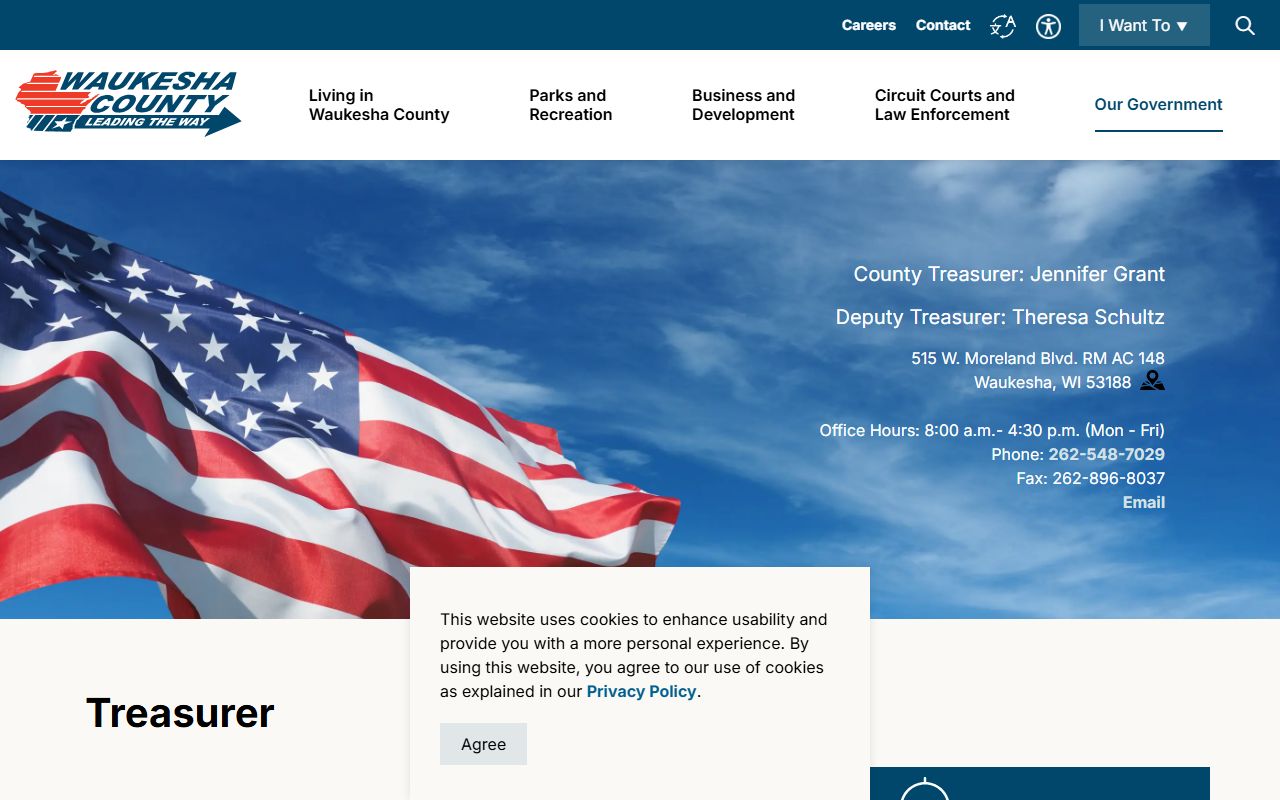
Use the treasurer page first when you need the county office that actually holds or tracks the money. It is the most direct route to the right records.
How Waukesha County Unclaimed Money Claims Work
The county's unclaimed funds page explains the local claim rules in plain language. Under Waukesha County Unclaimed Funds, the county posts public notice of unclaimed funds and gives residents access to an online Unclaimed Funds App. That app is the fast way to see what the county is holding before you complete the affidavit. The research also notes that the app can autofill much of the affidavit form, which makes the paperwork easier if you already know the case number or the amount listed in the notice.
To claim money, the owner must submit a notarized Affidavit of Ownership and Indemnity Agreement. The form requires the case number, dollar amount, name, address, and phone number from the published notice. A copy of a driver's license or other picture ID must be included, and business claims also need a copy of a business card. The county says the notarized form must be delivered or mailed to the treasurer office at 515 W Moreland Blvd, Room 148, Waukesha, WI 53188.
The county also notes that notaries are available at most banks and that the treasurer's office has one on staff who can help. That is useful when a claimant is already in the office and wants to finish the paperwork without another trip. Once the affidavit and identification are received, the county says it takes approximately 30 days to receive a check, which is mailed to the address listed on the affidavit. The check is made payable to the same person or entity that the original check was payable to.
This process is local, but it is not casual. Waukesha County ties the claim to the published notice, the affidavit, and the identity documents because the county is responsible for making sure the money goes to the right owner. That is the practical meaning of Wis. Stat. 59.66 for a Waukesha resident. It is also why the county keeps the process close to the treasurer office rather than pushing people to a generic help desk.
If the money came from a county department or from a municipal treasurer within Waukesha County, the local claim path is still the same. The county is the custodian for those funds. The key step is showing that you are the owner or the business that belongs on the original check, then letting the county verify it against the notice.
The claim page is especially helpful if the money was returned because an address was bad or a check was never cashed. Those are the kinds of situations that show up most often in county unclaimed funds. The county's process is built for that kind of record and gives the owner a way back to the money without reopening the original payment issue.
The county also makes the mailing address part of the claim clear. That matters because the check is mailed to the address on the affidavit, not to a generic file cabinet or the original payee address. If your current address changed, the affidavit is where you fix it.
For a resident, the unclaimed funds page is the practical counterpart to the treasurer home page. One explains the office, the other explains the claim. Together they tell you where to go and what proof to bring.
The county's process also shows why a notarized claim is often the final step rather than the first. You first identify the fund, then gather ID, then sign the affidavit, and only then wait for the county's review and mailing timeline.
If you are claiming on behalf of a business, the county wants proof that the business is the right claimant. That is why the business card copy is part of the file. It is a simple detail, but it keeps the county from issuing a replacement check to the wrong entity.
Waukesha County's claim steps are concise, but they are built around real ownership proof, not a quick online button. That is why the affidavit and identification requirements matter so much.
Note: The county app helps you find the fund, but the notarized affidavit and ID documents are what turn the search into a claim.
Waukesha County Tax Records and Payment Timing
The Waukesha County Tax Search Portal gives residents another way to connect money to a parcel or owner name. The portal allows tax searching and payments by parcel number, address, or owner name, and it shows tax payment history and current year tax information. That makes it useful when a missing payment, refund, or overpayment may later show up as an unclaimed funds issue. If you know the property, the portal can help you line up the tax record before you file anything.
The county treasurer page says the office accepts online tax payments and that the drop box can be used for mailed or hand-delivered payments. The blue and white drive-up drop box is on the east side of the Waukesha County Administration Building, across from Door 35 and facing Pewaukee Road. The research also notes that tax payments deposited in the drop box by 7:30 a.m. are dated for the previous day. That detail is small, but it matters when someone is checking whether a payment was timely.
The county treasurer also gives a clear warning about USPS changes to postmarks. In August 2025, the Postal Service changed when postmarks are affixed, which means a payment mailed on time may not be postmarked the way it used to be. For a county that still relies on mailing dates and postmarks in its tax system, that change can affect the story behind a late payment or a disputed date. If a refund or adjustment follows, the tax portal and treasurer page together help explain it.
Waukesha County's tax portal is more than a convenience tool. It shows the county's current year tax information and payment history in one place, so it is a logical stop when a resident is tracing money that may have been overpaid, duplicated, or misapplied. That is often the background to a county-held unclaimed funds entry. The tax portal tells you what the money was supposed to do before it disappeared into a notice or a refund queue.
The county's tax tools and the treasurer office work together for that reason. The portal gives the parcel-level picture. The treasurer gives the office-level answer. When the two match, the resident usually gets closer to the right office and the right form. When they do not, the county's records still help narrow the problem.
For Waukesha residents, that means a property tax question is not separate from an unclaimed money question. The same office handles both sides of the trail. If the tax portal shows a payment history but the money never made it where it should have gone, the treasurer office is the next stop.
The county treasurer page also keeps the office's responsibilities in view. The office manages county funds, disburses money, and administers property tax laws. That makes the tax portal a live record tool, not just an archive. It is worth checking before you decide a check is actually lost.
The county also ties tax timing to local service. That is why the drop box, the online portal, and the office hours matter. They shape when a payment is considered in and where the county will look for the missing amount.
The tax search portal is shown at the county tax search portal, which pairs parcel lookups with payment history.
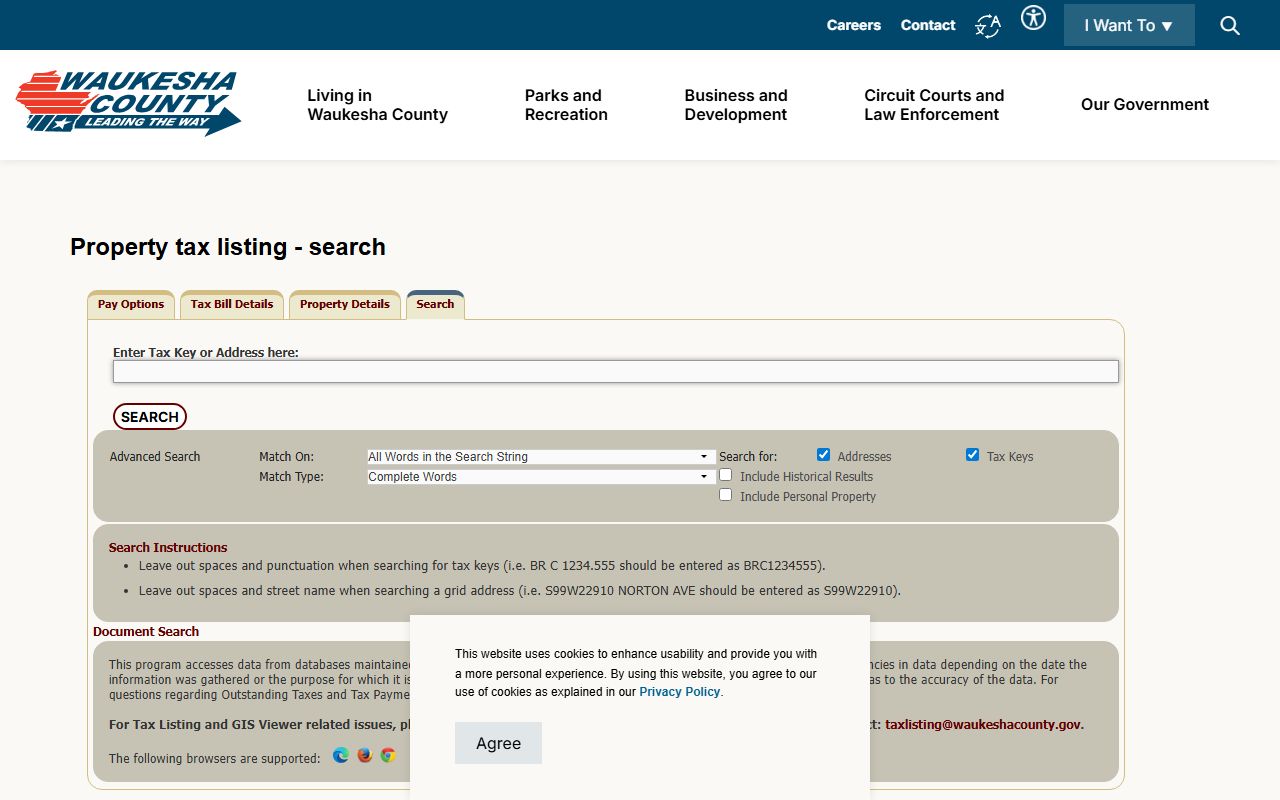
That portal is the quickest way to match a parcel, address, or owner name to the county's record of how the money moved.
When a resident has a tax refund, a parcel dispute, or a payment that never posted, the county tax portal is the fastest way to see whether the trail is still active. If the trail ends, the unclaimed funds page usually picks it up.
The combination of tax history and unclaimed funds is what makes the Waukesha County page useful. It is not just a place to pay bills. It is also where you learn how county money moves and where it can end up if nobody claims it.
Wisconsin Unclaimed Money Rules for Waukesha County
When the county record is not enough, the Wisconsin Department of Revenue provides the statewide claim rules. The DOR Unclaimed Property home page is the statewide search entry point, and the how-to-claim page explains how to search by name or property ID, add property to a claim, and attach the right documents. DOR says you can include up to 20 properties in one claim, but separate claims should be filed for separate property owners. The process is built to keep the paperwork tied to the right person.
The DOR relationship types page and acceptable documents page show how the state sorts owners, heirs, guardians, personal representatives, and business claimants. That matters because Waukesha County funds and state-held property do not use the same proof in the same way. DOR may want government ID, proof of address, proof of social security number, or documents that show the claimant's authority. The county claim file may be simpler, but the state file is more formal.
The statutes fit into that same framework. Wis. Stat. § 177.01 defines the administrator, owner, holder, and property. Wis. Stat. § 177.0501 explains the holder's notice duty before reporting property, and Wis. Stat. § 177.0903 explains how the owner files a claim on the prescribed form. Those statutes are not a separate county process. They are the legal spine behind the local and state routes.
After you file, the DOR after-you-file page explains the review period and what happens after approval. DOR usually needs up to 12 weeks to assign a claim, and approved payments are often issued shortly after that. If the office needs more information, the claim can sit until you respond. That is why the county documents and the state documents both need to match the claimant's current identity and mailing address.
The county and the state are not competing systems. They are different custody points. If Waukesha County holds the money, the county claim process is the right one. If the property belongs to the state, the DOR search and claim path take over. The rule of thumb is simple: use the office that is actually holding the funds.
For a Waukesha County resident, that means the search should begin with the local treasurer and the tax portal, then move to DOR if the county says the money is not theirs. That order keeps the process efficient and avoids filing the wrong form in the wrong place.
Wisconsin's claim rules are designed to protect the owner and the holder at the same time. The county or state should not release money without proof, and the owner should not have to guess which office has the file. The statutes and the official pages work together to keep that clear.
The Waukesha County pages give you the local office path, while DOR gives you the statewide claim path. That split is what makes the research practical. Once you know where the money is held, the rest of the process is mostly paperwork and proof.
That is also why the county pages and the state pages both matter on the same site. A search that begins in Waukesha County can still end at DOR, and the official links show the route without sending you through anything unofficial.
The legal and documentation rules do not need a separate law dump to be useful. They only need to be tied to the claim path, which is what the county and state pages do best.