
Find Richland County Unclaimed Money
Richland County Unclaimed Money searches usually begin with the county treasurer because that office handles collecting, receipting, and depositing county funds, reconciling county bank accounts, investing funds, postponed and delinquent real estate tax payments, tax settlements, notices, and unclaimed funds. That is a practical place to start because county money often begins as a tax question before it becomes a refund, notice, or claim issue. If the record is still local, the treasurer page can point you to the right parcel, the right treasurer, and the right payment path without forcing you into the state system too soon.
Richland County Unclaimed Money and Treasurer
Richland County Treasurer is the office that anchors most Richland County Unclaimed Money searches. Ashley Mott's office is on the third floor of the courthouse at 181 W Seminary Street, Richland Center, WI 53581. The office phone number is 608-647-3658 and the email is treasurer@co.richland.wi.us. Office hours are Monday through Friday, 8:30 a.m. to 4:30 p.m.
The treasurer's work matters because it includes the county money trail, not just tax billing. The office collects and records county funds, handles tax settlements, and keeps the account side of county business in order. That means a missing balance may sit with a tax bill, a payment notice, or a county-held fund that was never moved out of the local record.
For Richland County Unclaimed Money, the treasurer page is also useful because it sits beside the county's tax tools. The county has made the tax path plain: current tax questions, delinquent payment issues, and county-held funds are all part of the same office history. If the answer is still local, that office is the first place to confirm it.
The treasurer page also gives the county contact trail a human face. A named treasurer, a courthouse location, and a direct phone number make it easier to match the record to the right office before a claim is filed or a payment is mailed to the wrong place.
Richland County Unclaimed Money and Tax Due Dates
Richland County property taxes explain how the county handles first installments, full payments, second installments, and delinquent tax balances. The county says first installments or full payments go to the local municipal treasurer by January 31. The second installment goes to the county by July 31. The county also lists the mailing address as 181 W Seminary Street, in Room 334 for in-person service, and it offers a drop box for payment delivery.
Richland County property tax information is the broader portal that groups tax questions and payment guidance in one place. That matters because Richland County Unclaimed Money often starts with a tax record that does not line up with a bill, a receipt, or a notice. When the county keeps those tax details together, it becomes easier to trace a balance back to the exact year and exact collector.
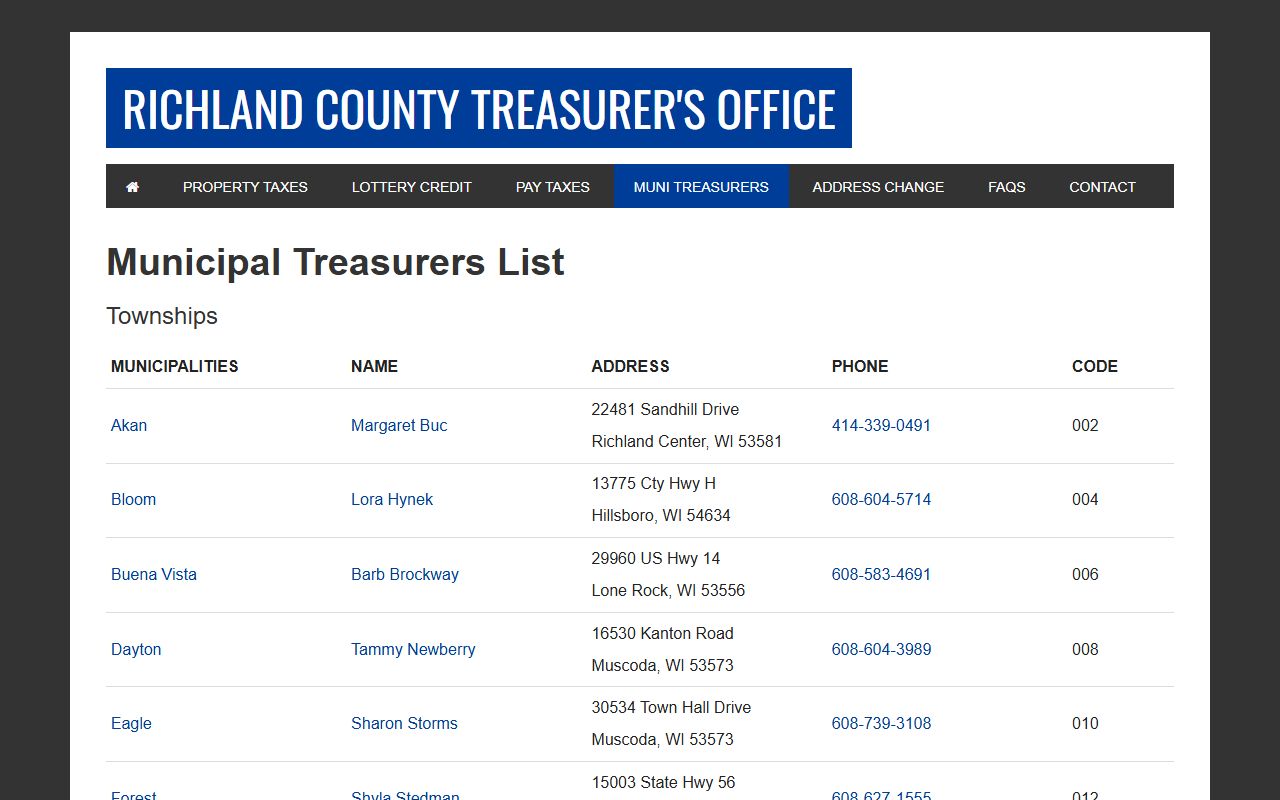
The county also says delinquent balances carry 1.0 percent monthly interest back to February 1. That detail helps explain why a payment trail must be checked early. A missing installment can become a larger balance fast, and a local review can show whether the issue belongs with the municipal treasurer or with the county treasurer. The municipal treasurers list makes that local split more useful because it includes the City of Richland Center and the towns and villages that handle first payments before the county receives the second installment.
If the money is still in the county system, the tax due date rules usually reveal it before the statewide search does. That is why this county page belongs at the center of a Richland County Unclaimed Money search.
Richland County Unclaimed Money Images
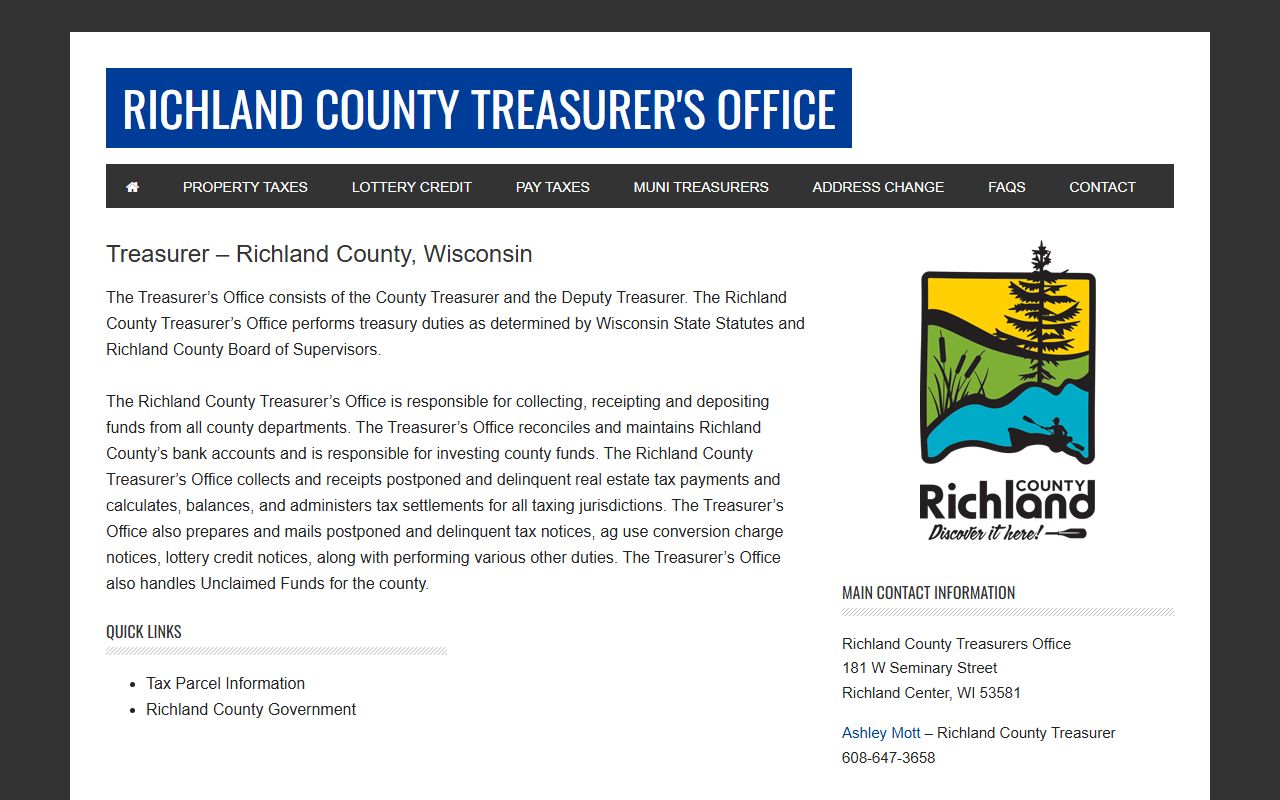
Richland County Treasurer is the county page that ties the office, the courthouse location, and the county money trail together.
That image is the best first stop because the treasurer handles county funds and tax records in the same office.
Richland County property tax information is the county portal that helps residents sort tax questions before they become claim questions.
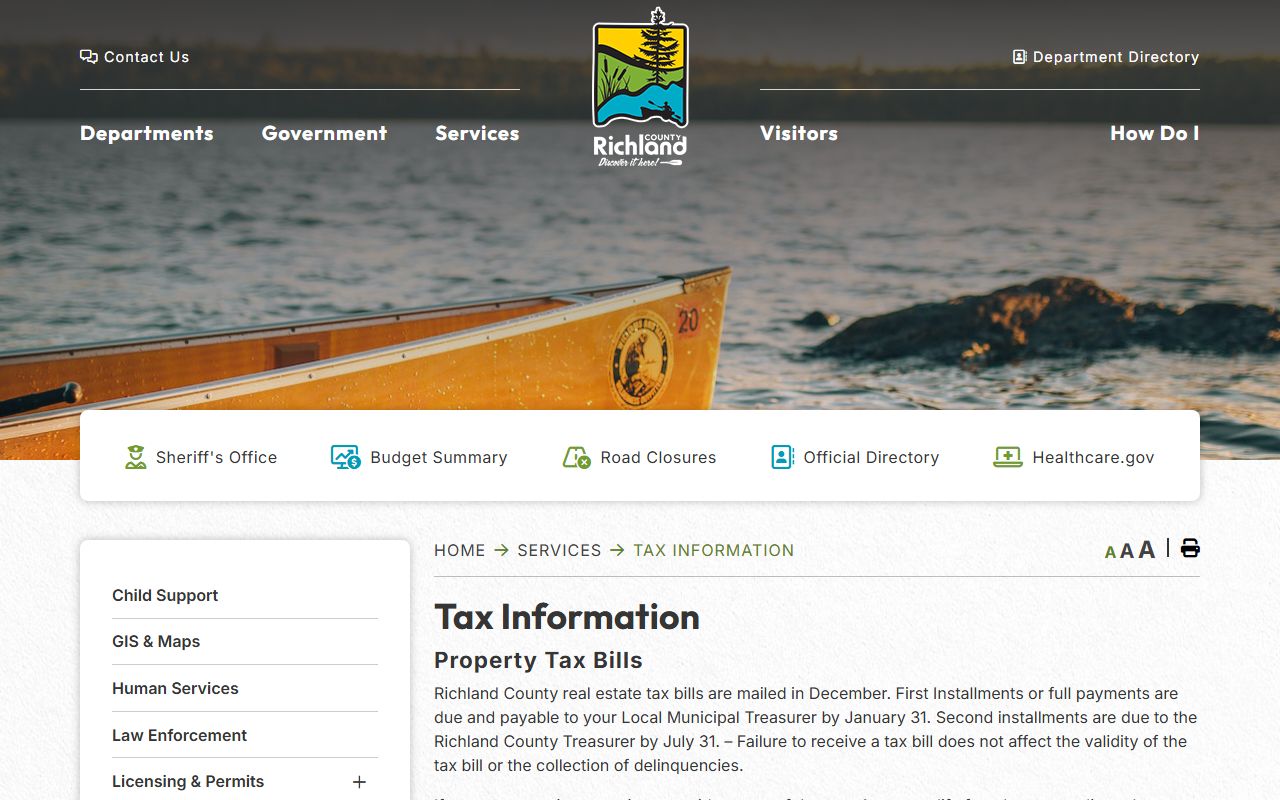
That image fits the payment trail because tax information is often where a county-held balance first appears.
Richland County property taxes is the county page that explains first installments, second installments, and delinquent balances.
That image is useful when the record needs to be matched to the right payment date or collector.
Richland County Unclaimed Money Contacts
Richland County contact page gives the office details for Ashley Mott and repeats the courthouse location on the third floor at 181 W Seminary Street. It also gives residents a clear route to reach the treasurer by phone or email. That kind of plain contact page is useful when a balance needs a direct county answer instead of a long search through forms.
The county's municipal treasurers list is just as important because first installments and full payments go to the local municipal treasurer by January 31. Richland County makes that split visible by listing the City of Richland Center along with the towns and villages. If the bill belongs to a local collector, that list shows where to start before the county receives the second installment.
Richland County Unclaimed Money searches are easier when the contact page and the municipal treasurer list are read together. One tells you how to reach the county office. The other tells you which local office may still be holding the payment. That saves time and reduces the chance of sending proof to the wrong place.
Richland County Unclaimed Money and Claims
When a Richland County Unclaimed Money search does not end with the county treasurer, the next step is to check whether the balance moved to the state. Wisconsin's unclaimed property system is the statewide fallback, but it should come after the county tax record and county contact trail have been checked. That order matters because county money often starts with a tax bill, a notice, or a municipal payment, and those facts belong in the local file first.
The Wisconsin DOR unclaimed property FAQ explains the custody role. How to claim property walks through the filing steps. DOR says a claimant can search by name or property ID, save a draft, and return later, but the confirmation code only stays valid for 60 days. That makes it smart to save the code as soon as the claim draft is created.
Relationship types and documents needed and acceptable documents explain what proof DOR expects from owners, heirs, and other claimants. Wis. Stat. 177.01, 177.0501, and 177.0903 describe the state unclaimed property structure and notice process. Those links help when the county record ends and the state claim must begin.
Wisconsin Unclaimed Money Search Help
Wisconsin Unclaimed Money search help starts with the county because Richland County gives enough official detail to sort a local tax issue from a state-held asset. If the county treasurer still has the record, stay with the county. If the answer points away from the county, the Wisconsin Department of Revenue becomes the next stop. That approach keeps the claim honest and keeps the paperwork in the right place.
The county tax and contact pages already show how Richland County wants the record handled. That is why a local search should start with the treasurer, the property tax pages, and the municipal treasurers list before any statewide claim is filed. The county pages do not just describe tax work. They show who receives the first payment, who receives the second payment, and where a county-held balance may still sit.
Once that local trail ends, the DOR pages and Wisconsin statutes provide the statewide claim path. Richland County Unclaimed Money is easiest to resolve when the local collector is checked first and the state database is used only for the part of the record that is no longer county-held.