
Search Oneida County Unclaimed Money
Oneida County Unclaimed Money searches have to start with the county notice that was actually published. The research set for Oneida County is thinner than Oconto's, but it does include a county advertisement PDF, the county main site, and the county seat in Rhinelander. The advertisement matters because it identifies the Oneida County Treasurer, Tara Ostermann, and says the unclaimed funds include items from municipalities and county offices. That gives the page a real local base even though the office detail set is limited. The safest approach is to use the county notice first, then the Wisconsin Department of Revenue if the money is already beyond county custody.
Oneida County Unclaimed Money Notice
The Oneida County unclaimed funds advertisement is the local source that gives this page its strongest county lead. The PDF is published by Tara Ostermann, the Oneida County Treasurer, and it lists unclaimed funds from municipalities and county offices. The list includes items connected to the sheriff prisoner fund or evidence and the clerk of courts, which tells residents that the money may come from more than one county record path. That is useful because a claimant may only remember the office category, not the exact account line.
The advertisement is shown at Oneida County Unclaimed Funds Advertisement. It says owners have six months from publication to prove ownership before the Treasurer takes possession, and it cites Wis. Stat. § 59.66. That is a real county deadline, not a general suggestion. If a resident sees a name or fund reference in the ad, the next step is to prove the claim before the window closes. The notice also shows that the county is using a published process rather than an informal search.
That county notice is especially important in a thin-research county. It is enough to show that Oneida County is handling unclaimed funds through a published legal notice, even though the research set did not verify a full treasurer page or a separate county unclaimed funds page. The ad is the official record that can be used now. The missing office detail does not erase the notice, but it does mean the claimant should be careful not to invent more than the source provides.
For Oneida County residents, the county seat in Rhinelander helps define the local government center, but the ad is the actual claim clue. The county seat is context. The advertisement is the record. That is the right distinction when the page has to stay honest about a thin local source set.
Oneida County Unclaimed Money and Local Verification
The county main site is the next official source to keep in view when local details are thin. The Oneida County home page at Oneida County gives the county context, but the supplied research does not verify a treasurer contact page or a probate page with the same level of detail that Oconto County has. That means this page should not fill in the blanks with guesses. It should stay honest about what was actually published and what was not.
The Wisconsin Department of Revenue provides the statewide fallback. The DOR home page is the search entry point, the FAQ explains the basic unclaimed property framework, the how-to-claim page explains the filing flow, and the relationship types page helps when the claimant is filing for an owner, heir, or business. Those pages are the practical bridge between a county notice and a filed claim.
If the claimant needs proof guidance, the DOR acceptable documents page explains what can support the claim, and the after-you-file page explains what happens after submission. That matters in Oneida County because the ad gives a real six-month window, but the claimant still needs the right documents to prove ownership. The state pages turn the local notice into a filing path that can actually be used.
Oneida County Unclaimed Money therefore works as a two-part search. First, read the county advertisement and see whether the name or fund is listed. Second, use DOR if the claim has to be filed at the state level or if the county office detail is still unclear. That approach keeps the search grounded in the official notice without pretending the thin county research is stronger than it is.
The county site and the DOR pages also help the claimant decide whether the money is still in county custody or has moved on. If the county notice is the only local source, the county seat and the ad matter more than a guessed office address. That is the cleanest way to keep Oneida County Unclaimed Money specific and accurate.
Oneida County Unclaimed Money Images
The county main site at Oneida County gives the best local context image because it shows the county source that anchors the notice.
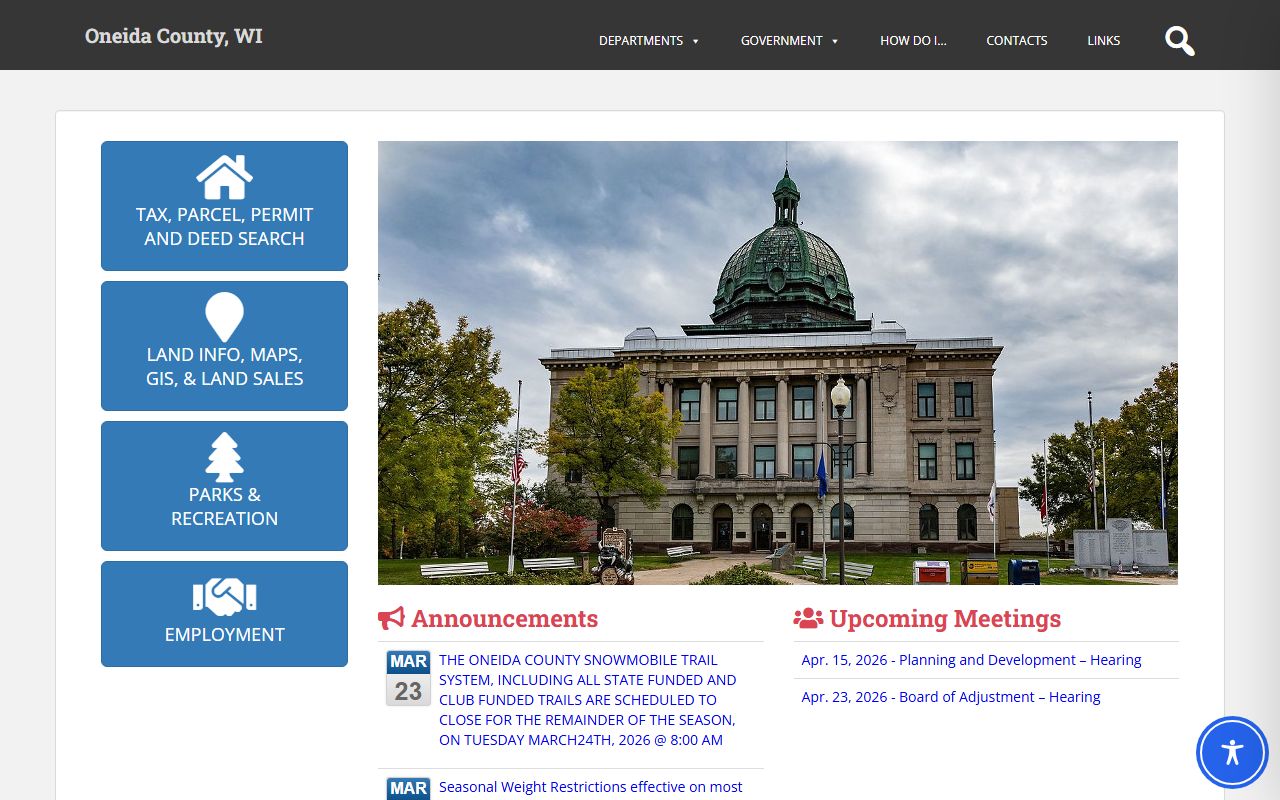
That image is useful as local context, but it does not replace the published advertisement.
The Wisconsin DOR home page at Wisconsin DOR Unclaimed Property is the first state fallback when the county notice needs a filing path.
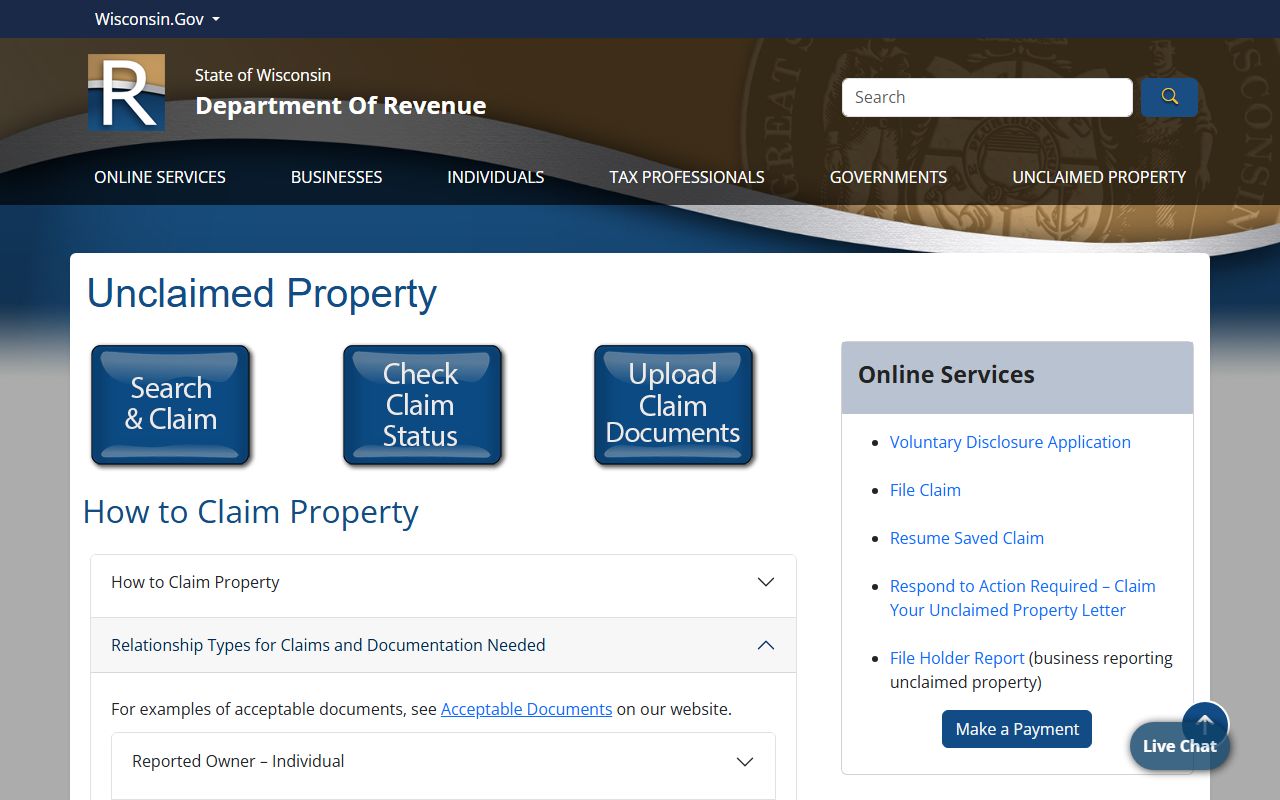
That page keeps the claim moving when the county record is thin and the state system must take over.
The DOR how-to page at Wisconsin DOR how to claim explains the filing flow after the county notice is checked.
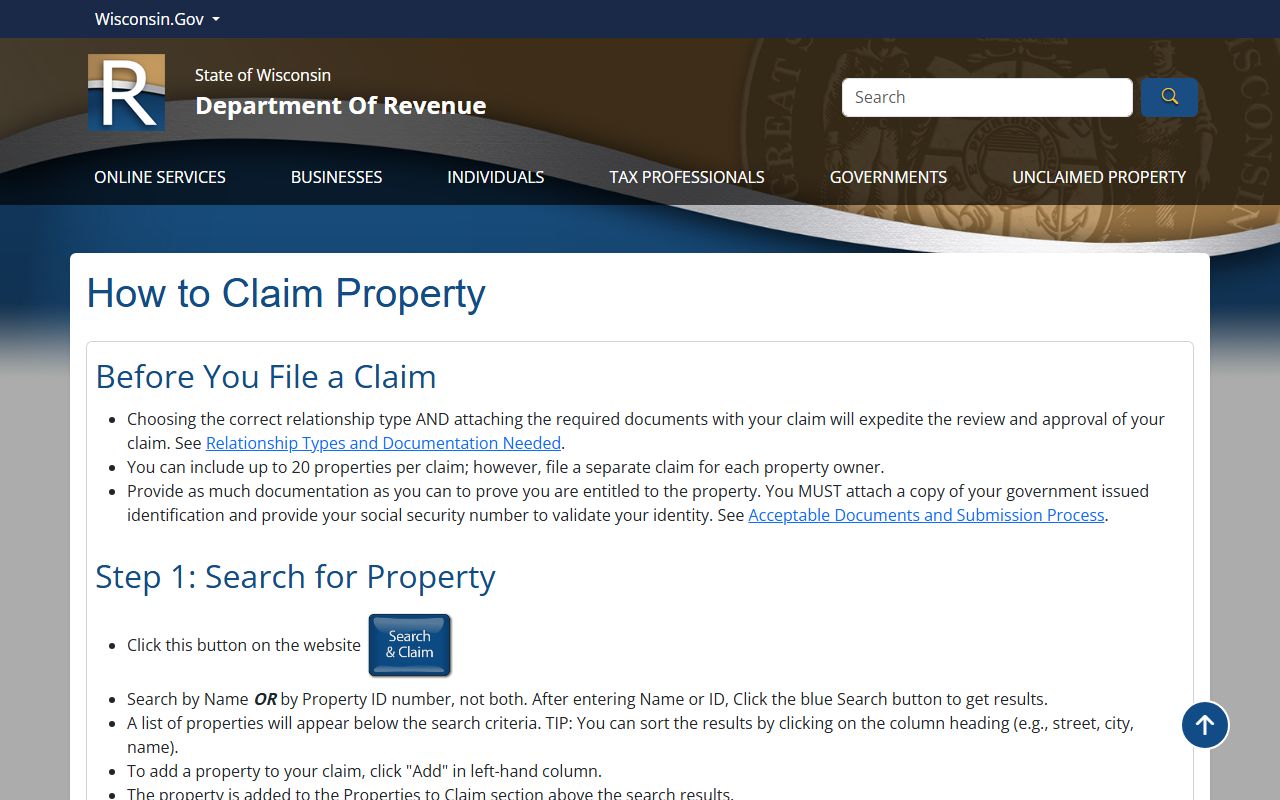
That image is the next practical step when the claimant has to move from notice to filing.
If the claimant needs proof guidance, the DOR acceptable documents page at Wisconsin DOR acceptable documents is the best official reference.
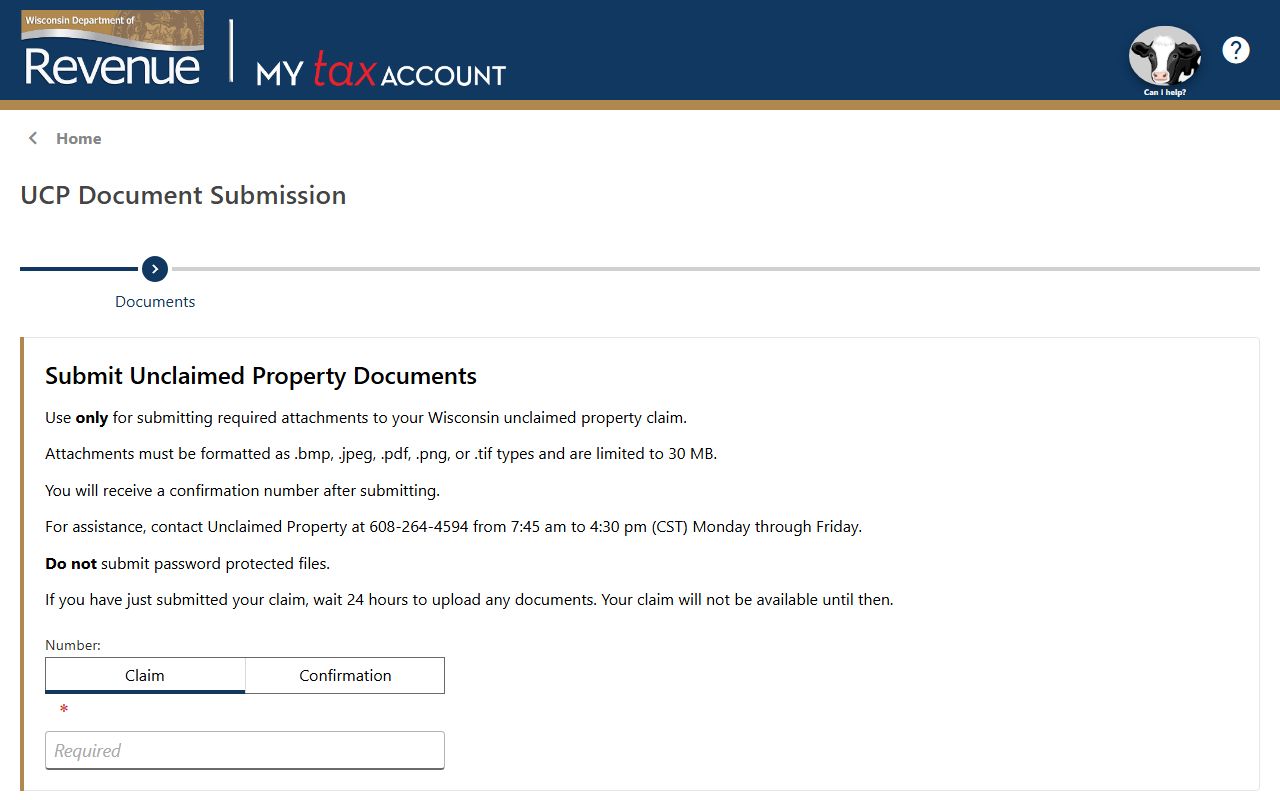
That page helps match the county notice to the documents that can support the claim.
Wisconsin Unclaimed Money Rules for Oneida County
The Wisconsin Department of Revenue is the statewide fallback if Oneida County no longer holds the money or if the county office path is still unclear. The DOR FAQ explains the broad unclaimed property rules, and the how-to-claim page explains the filing steps. Those pages matter because a county advertisement is not the same as a filed claim. The claimant still has to move from notice to proof.
The DOR pages also explain ownership and support documents. The relationship types page helps when a claimant is an heir, guardian, or business representative, and the acceptable documents page shows what the state can accept. The after-you-file page then explains what happens after the claim is submitted. That full path matters in a county where the research set is thin but the notice itself is official.
The statutes give the legal frame. Wis. Stat. § 59.66 is the county publication authority cited in the ad, while Wis. Stat. § 177.01, 177.0501, and 177.0903 explain the state unclaimed property system, the notice duty, and the owner claim process. Those links matter because they show why the county can publish a notice first and still require proof before the Treasurer gives up possession.
For Oneida County residents, the search order is straightforward. Read the county advertisement first. Use the county main site only for general context. Then use the Wisconsin DOR pages if the claim has to be filed statewide or if more proof is needed. That keeps the process honest and avoids adding local office details that were not verified in the supplied research.
Note: Oneida County Unclaimed Money should stay tied to the published advertisement until a current county office or a DOR claim path is verified.