
La Crosse County Unclaimed Money Records
La Crosse County Unclaimed Money searches usually start with the county notice because the notice tells you which office is holding the money and how long the owner has to prove ownership. In this county, that is especially important because the local unclaimed-funds list can point to the clerk of courts, the sheriff's department, the finance department, or a city office that is still part of the county trail. Some La Crosse County pages were difficult to fetch directly during research, so the official notice, the court page, and the treasurer page are the safest county anchors. If you know the department name, you are already closer to the right claim path.
La Crosse County Unclaimed Money Notice
The county notice is the first place to look when the money may be sitting in La Crosse County custody. The official La Crosse County unclaimed funds notice says the county publishes the list under Section 59.66 Wis. Stats. It also says owners have 180 days after the last publication to call for and prove ownership of the funds. If that does not happen in time, the County Treasurer takes possession and no action may later be maintained against the Treasurer for the money.
The notice matters because it is not a generic county bulletin. It names the departments that are actually holding the funds and gives residents a place to start. The research set shows city finance funds, city police funds, county clerk of courts funds, sheriff's department funds, and county finance department funds all in the same local notice. It also shows that the list includes names, addresses, cities, states, zip codes, and dollar amounts that can range from small balances to several thousand dollars. That makes the notice practical, not just formal.
The county notice is shown at the La Crosse County Court page, which is the official county route for court-related claims and records.
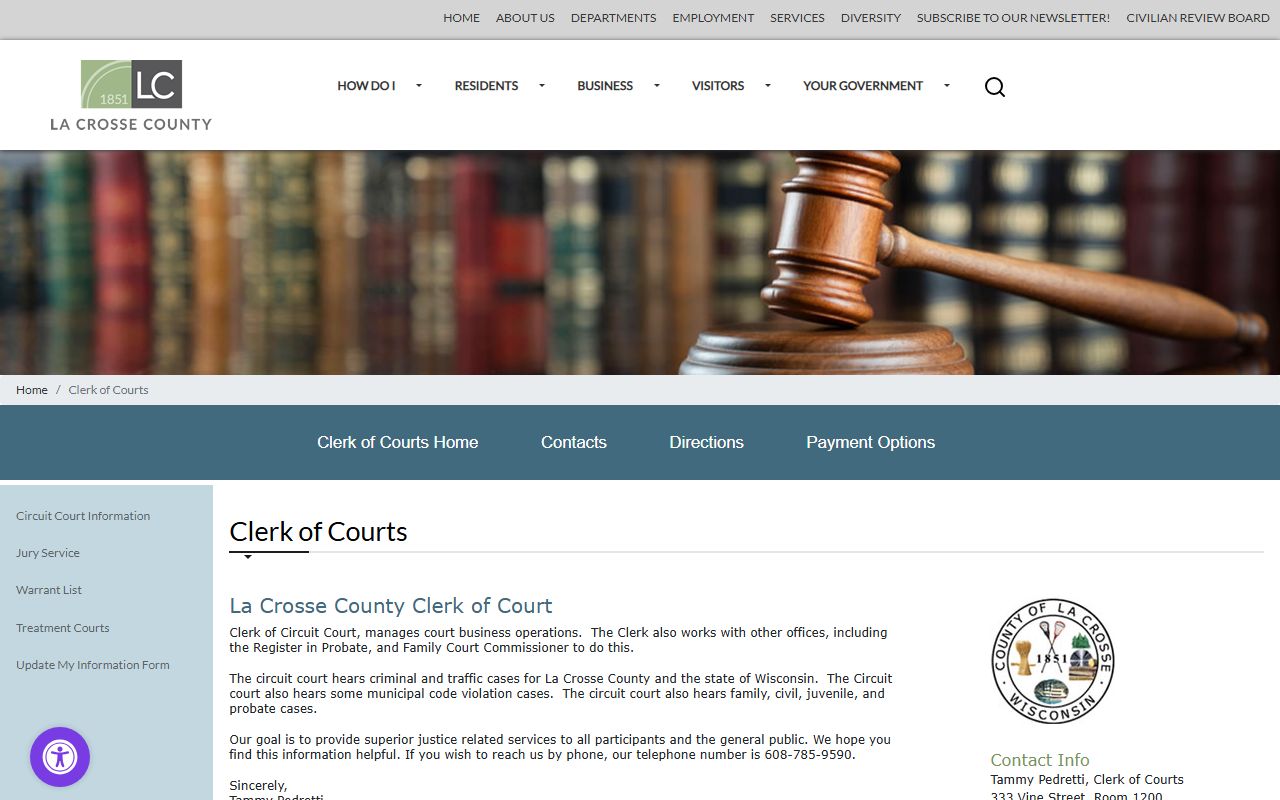
That page is the right county office when the funds were tied to the clerk of courts or another court-side record.
La Crosse County residents should read the notice as a records map. If the entry points to the clerk of courts, the sheriff, or finance, the owner needs to contact the office holding the funds. If the entry is tied to a city department, the city may be the first stop, but the county notice still tells you where the claim must be proved. The point of the notice is not just to publish a name. It is to show who has custody and how long the claim window stays open.
Because the county pages were harder to pull directly during research, the notice story is the most reliable county source in this set. That is not a problem for the page build. It simply means the county notice should carry more weight than a thin directory listing would in another county. The research gives enough detail to build a solid local page without inventing anything that is not in the notice.
County Court and Treasurer Records
The county treasurer page is the other major county anchor. The La Crosse County Treasurer page is the place to connect the notice to the county's money-handling role. Even with research access limits, the treasurer URL is an official county source that fits the county notice and the court page. It is the natural place to look when the funds are tied to taxes, a county payment, or a county-held balance that did not get claimed during the notice period.
The treasurer and the court office work together in La Crosse County because the notice names both kinds of records. Court-side claims are common enough that the county keeps the clerk of courts on the list, and the treasurer is the office that eventually takes possession if the deadline passes. That means the county page is not just about a single department. It is about the way county money moves from one office to another and then into the unclaimed-funds process.
The county court page is shown at the La Crosse County Court page, which is where court-related records, fees, and claims belong when the clerk of courts is the office holding the money.
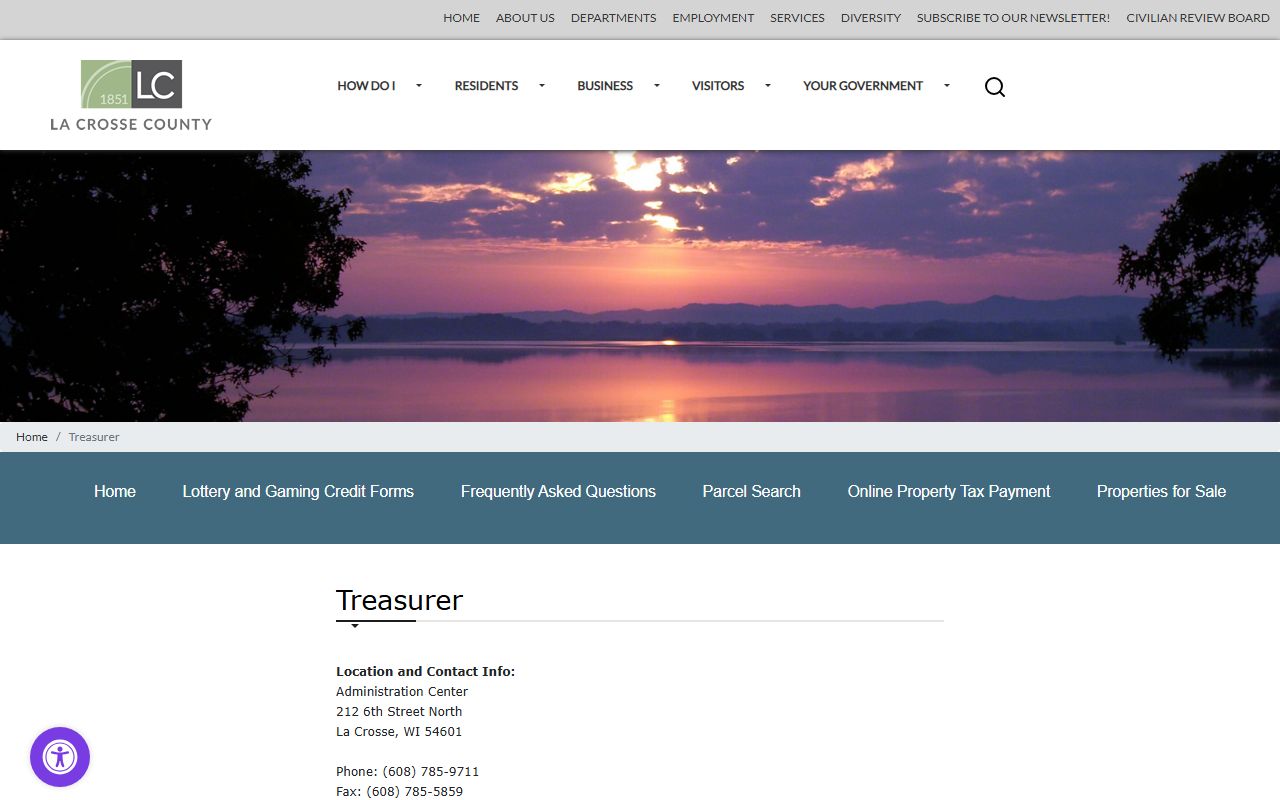
That treasurer page is the county-side place to verify whether the money stayed local, moved into a county settlement, or shifted to the state program.
Residents who are trying to match a payment should think about the county process in the same order the county uses it. A court or finance office may hold the money first. The county notice then starts the claim clock. After that, the treasurer takes possession if nobody proves ownership in time. That is why the court page and the treasurer page matter together. One shows where a county-side balance can begin, and the other shows where it ends if nobody claims it.
The county treasurer and court pages also help explain why local money does not always stay in one office forever. If a city payment, court refund, or finance balance was not claimed in time, the county office becomes the custodian. That custody step is what gives the owner a second chance before the funds move out of the local file and into a final county record.
For county residents, the real value of these pages is that they point back to the right office instead of making the search feel generic. If the money is with the clerk of courts, the court page matters most. If it is with the treasurer, the treasurer page matters most. The county notice ties those pieces together and shows which one is in charge.
Wisconsin Unclaimed Money Rules for La Crosse County
When the local pages do not fully answer the question, the Wisconsin Department of Revenue gives the statewide route. The DOR Unclaimed Property home page is the search entry point, and the FAQ explains what counts as unclaimed property, how long DOR holds it, and why the state keeps it available for claim. The how-to-claim page shows how to search by name or property ID and how to build a claim once a match appears.
The relationship and document pages matter too. The DOR relationship types page explains the difference between a reported owner, guardian, heir, personal representative, and business claimant. The acceptable documents page shows the kinds of ID and supporting proof that can travel with the claim. Those pages are useful when a county notice points to the state instead of a local office, or when the county does not hold the money at all.
The statutes give the same structure legal force. Wis. Stat. § 177.01 defines the basic terms used in the unclaimed property system. Wis. Stat. § 177.0501 explains the notice duty before property is reported. Wis. Stat. § 177.0903 explains how a person claiming to be the owner files a claim. That is the legal backbone behind the county notice and the state search.
After a claim is filed, the DOR after-you-file page explains the review period and the follow-up process. If the claim needs more information, the file can sit until the claimant responds. That is why the county and state systems both care about identity, address, and relationship to the property. The claim will move faster when the papers match the office that actually holds the money.
For La Crosse County residents, the practical rule is simple. Start with the county notice and the office named on the line. Move to DOR only if the county says the money is not theirs. That keeps the search grounded in the office that owns the record and avoids sending the wrong form to the wrong custodian.
Note: The county notice and the 180-day deadline matter first in La Crosse County, because the claim window can close before the money ever reaches the state path.
Local Access and Timing Notes
La Crosse County's research set was thinner than some other counties because the county pages were harder to fetch directly, so the official notice and the court and treasurer URLs carry extra weight here. That does not change the process. It just means the safest local references are the ones the county itself published and the ones the manifest connected to successful official pages. When a county notice is this explicit, it can support a full page even if the live site is less cooperative than usual.
That county notice also gives residents a clean reason to move department by department. If the money belongs to the clerk of courts, call that office. If it belongs to the sheriff or finance department, contact those departments directly. If it is already under county treasurer custody, the treasurer page and the county notice tell you what happens next. The county process is not vague once the owner knows which department name appears on the notice.
La Crosse County residents should also keep the city department names in mind, because the county notice includes city-held funds too. That overlap is normal in a county where city, county, and state records all interact. The notice is the map that keeps those offices separated long enough for the owner to claim the right money from the right office.