
Kenosha County Unclaimed Money Records
Kenosha County Unclaimed Money searches usually begin with a simple question about who holds the funds. In Kenosha County, that can mean the Treasurer, the Clerk of Circuit Court, or the Sheriff's Office, depending on where the money came from. Some claims stay with the county long enough to require an in-person visit, while others only show up after you match the right case, department, or notice. This page pulls those pieces together so you can start with the correct office, bring the right papers, and avoid chasing a record that belongs in a different place.
Kenosha County Unclaimed Money and Treasurer
The Kenosha County Treasurer's Office is the county finance hub for unclaimed funds, property tax work, and the flow of county money. The office is located at 1010 56th Street, Kenosha, WI 53140, and the general information number is 262-653-2542. The Treasurer receipts and disburses all county funds, keeps the bank accounts in order, and makes sure the county's daily and monthly accounting stays accurate. That matters for Unclaimed Money because a county-held check or refund often traces back to the office that handled the original payment.
Kenosha County also notes that the Treasurer administers statewide programs such as the Lottery and Gaming Credit, Unclaimed Funds, and tax deed or in rem work, while also collecting property taxes and completing annual settlements with municipalities and the State of Wisconsin DOR. The county directory at Kenosha County Directory is a practical backup when you need a live office contact for the Treasurer, Clerk, or Sheriff. If your search starts with a county payment issue, this is the office that can tell you whether the money stayed local or moved into a different record path.
The Treasurer's role is broader than a single check. It includes tax administration, settlement work, and stewardship of county money held for the public. That is why a local unclaimed funds search often begins here even when the person looking is really trying to match a tax payment, a refund, or a county-issued warrant.
Kenosha County Clerk of Courts Records
The Kenosha County Clerk of Courts office is the other key stop for Kenosha County Unclaimed Money. The office manages and coordinates the general business and financial operation of the circuit court, and it handles case management, event tracking, records management, and collection of case-related fees, fines, and forfeitures. The Clerk also supports courtroom operations, facility planning, and jury management. That mix of duties is important because county-held court money does not move through the Treasurer the same way a tax payment does.
The Clerk of Courts page says the office is at 912 56th St, Kenosha, WI 53140, with phone number 262-653-2664 and hours Monday through Friday from 8:00 AM to 4:30 PM except holidays. The page also points to records search and probate-related services, including Divorce Judgments, Judgment and Lien Index, Informal Probate, and Records Search. Wisconsin Stat. 59.40 matters here because it frames the clerk's duties and helps explain why court-held money, court files, and case records often sit together in the same office.
If you are sorting out whether a court payment, bond, or case balance was ever claimed, the Clerk's records can help you see the trail. The office is designed for access, not confusion, and it is the place to start when the money is tied to a case rather than to a tax bill or city refund.
Kenosha County Unclaimed Money Notices
Under Wis. Stat. 59.66(2), Kenosha County Treasurer Teri A. Jacobson publishes a Class 1 notice for money or security held by the Clerk of Kenosha County Circuit Court. The 2025 notice says owners must appear in person with proper picture identification at the Clerk of Circuit Court, Room 204, Kenosha County Courthouse, 912 56th Street, Kenosha, to prove ownership before the county takes possession or control. The courthouse is open Monday through Friday from 8:00 AM to 5:00 PM, which gives claimants a clear window for an in-person visit.
The Clerk of Courts office is the right place to confirm whether a court-held item, docket balance, or record-linked payment is being held for you. The claim rule is not just a paper form. It is tied to the notice, the identification check, and the office that has the money. When you understand that sequence, it becomes easier to gather the right documents before you drive to the courthouse.
Kenosha County Clerk of Courts records also support probate and case searches, which can matter when the owner is not the person who will appear to claim the funds. The county uses the notice to tell people where the funds sit and how to prove ownership, not to invite a mail-in shortcut that the record does not support.
Kenosha County Clerk of Courts records show the office that handles the county's court-side money trail.
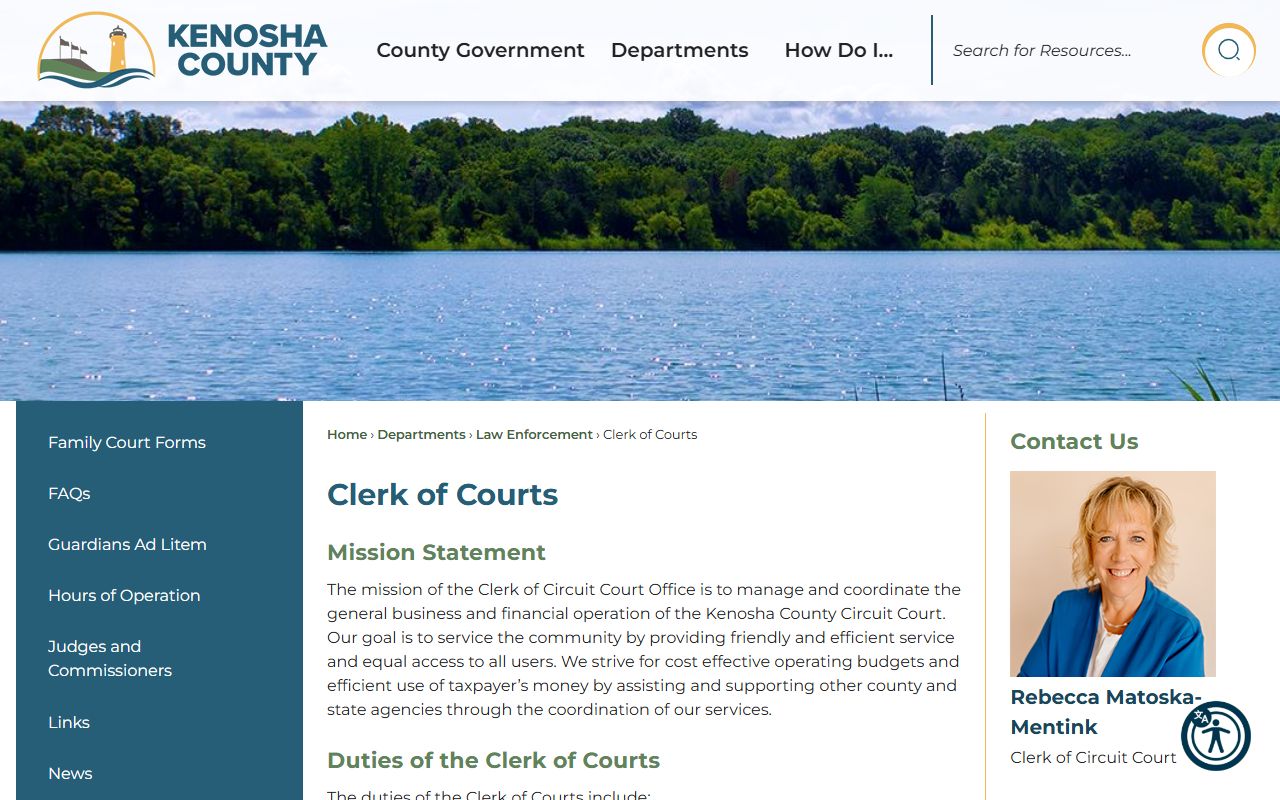
That page is useful when you need to match a court notice to the right room, office, or case file before you make the trip to Kenosha.
Kenosha County Forms and Court Access
The county's records work is easier when the forms and access points are clear. Kenosha County lists records search, informal probate, judgment access, and lien index access through the clerk, which tells you the office is set up for both document lookups and case support. If your unclaimed money question comes with a court file number, a probate matter, or a need to understand what the clerk can release, the records page is the right starting place. It is a general court resource, and that is useful because unclaimed funds claims often need broad record access instead of a narrow form packet.
The Wisconsin court forms page is a good companion resource when you need circuit court forms, records tools, or a place to confirm that you are using the correct form family for a claim or file request. Some people use it to understand what the clerk may ask for before releasing information, while others use it to check whether a probate or civil form affects a money claim. The important part is that the forms resource stays tied to the court record, not to a guess about where the money landed.
When a file touches probate, lien search, or another court record, the path usually runs through the clerk's office first. That is why this page points to the court's official resources instead of a generic claim site. The office can tell you what is public, what must be requested in person, and what belongs in the record before any claim can move forward.
Wisconsin court forms and records access can help when the claim needs a court-friendly paper trail.
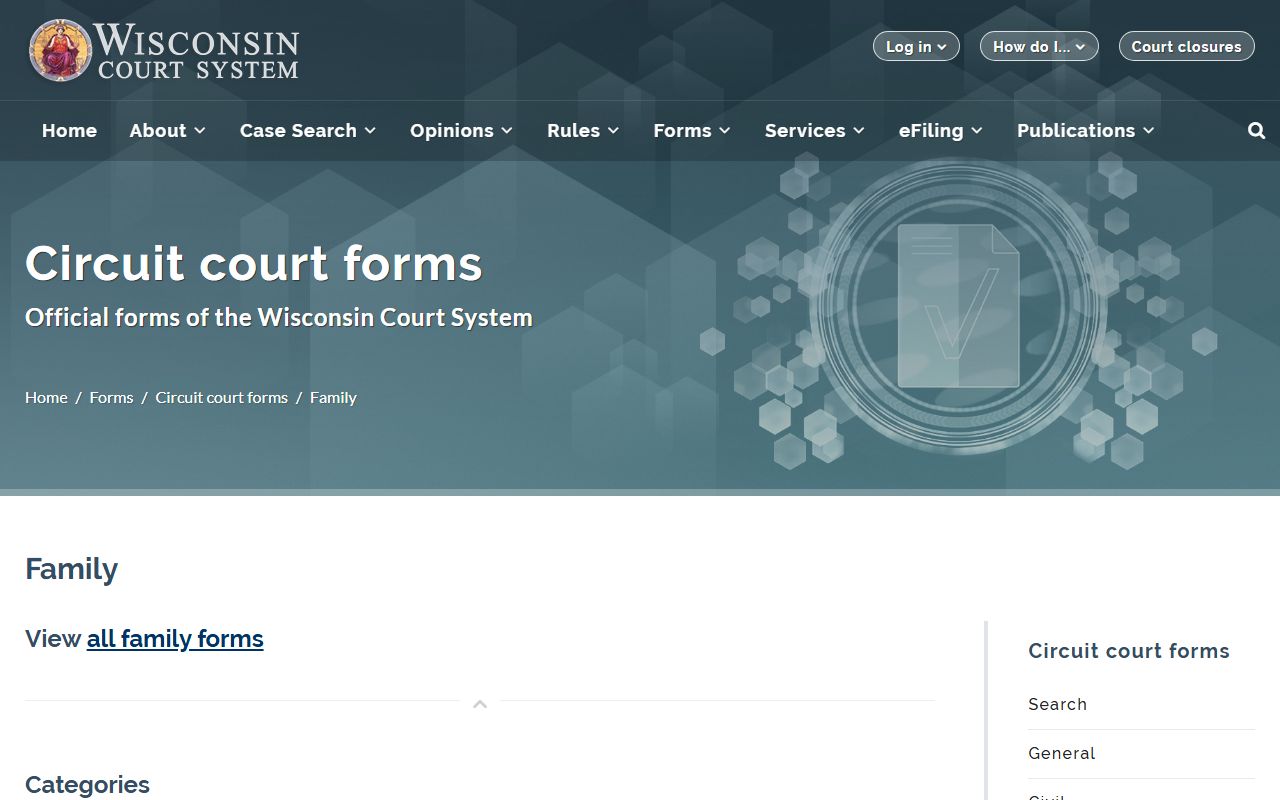
That resource is best treated as a support tool, especially when the real question is which county office already has the money or the case file.
Wisconsin Unclaimed Money Search Help
The state search is the last layer in the Kenosha County Unclaimed Money process, but it is still important. The Wisconsin Department of Revenue holds dormant property for the state and gives claimants a way to search by name or property ID, save a draft, and continue later. The DOR home page also reminds claimants to choose the right relationship to each property, verify an address, and keep the confirmation code because the code expires after 60 days. Those steps matter whether the property is a bank balance, a refund, or another type of dormant asset.
The DOR unclaimed property home page is the best place to start if your county search does not resolve the record. From there, how to claim property explains the filing flow, relationship types and documents needed explains who you are in relation to the property, and acceptable documents explains what proof can support the claim. The FAQ page at Wisconsin DOR unclaimed property FAQ is also useful because it says DOR generally holds property indefinitely, which means an old lead can still be worth checking.
If the county office says the money is not theirs, DOR is the next place to verify. If DOR says the property is local, the county claim offices are still the right path. That is why a careful search keeps moving between county records and the state database until the holder is clear.