
Search Jefferson County Unclaimed Money
Jefferson County Unclaimed Money searches usually start with the county treasurer because the office manages tax bills, tax credits, due dates, and the county side of second installment and delinquent real estate payments. The county also points residents to court records and probate when the money is not a straight tax issue. That keeps the search local and specific. It also helps you avoid pushing a county-held balance into the state system too soon. If the money is still with Jefferson County, the county office is the right place to confirm it first.
Jefferson County Unclaimed Money and Treasurer
Jefferson County Treasurer is the county office that anchors most Jefferson County Unclaimed Money searches. Kelly Stade is the treasurer, and the office is at 311 S. Center Avenue, C1030, Jefferson, WI 53549. The phone number is 920-674-7250. The office page also links to pay my taxes, tax credits, Wisconsin DOR resources, lottery and gaming credit applications, tax due dates, local treasurers, land records tax search, and real estate tax rates. That makes the office a practical starting point when a payment or refund does not line up.
The treasurer page explains an important local split. First installment or full payments made before January 31 go to the local town, city, or village treasurer. Jefferson County also notes that the City of Watertown collects current year taxes through July 31. That means the county is not always the first collector for a tax bill. If a payment was made to the wrong place or the wrong installment, the treasurer page can help sort that out before the record turns into an unclaimed money question.
The county's Pay My Taxes page adds another useful fact. Online payment is for second installment or delinquent real estate taxes only. It is not available from December 1 through February 20, a parcel ID is required, the bureau code is 4664645, e-check payments have a $2.00 fee, and card payments carry a 2.75 percent fee with a $1.75 minimum. Those rules matter because they show the county is closely tied to the tax record and not just a generic payment site.
For Jefferson County Unclaimed Money searches, the treasurer is the clearest first office because it can confirm whether the balance is still local, whether a parcel is delinquent, and whether the county tax record is the one that matters. That local answer saves time and keeps the claim on the right track.
Jefferson County Unclaimed Money Images
Jefferson County Treasurer is the office that handles county tax records and the county money trail.
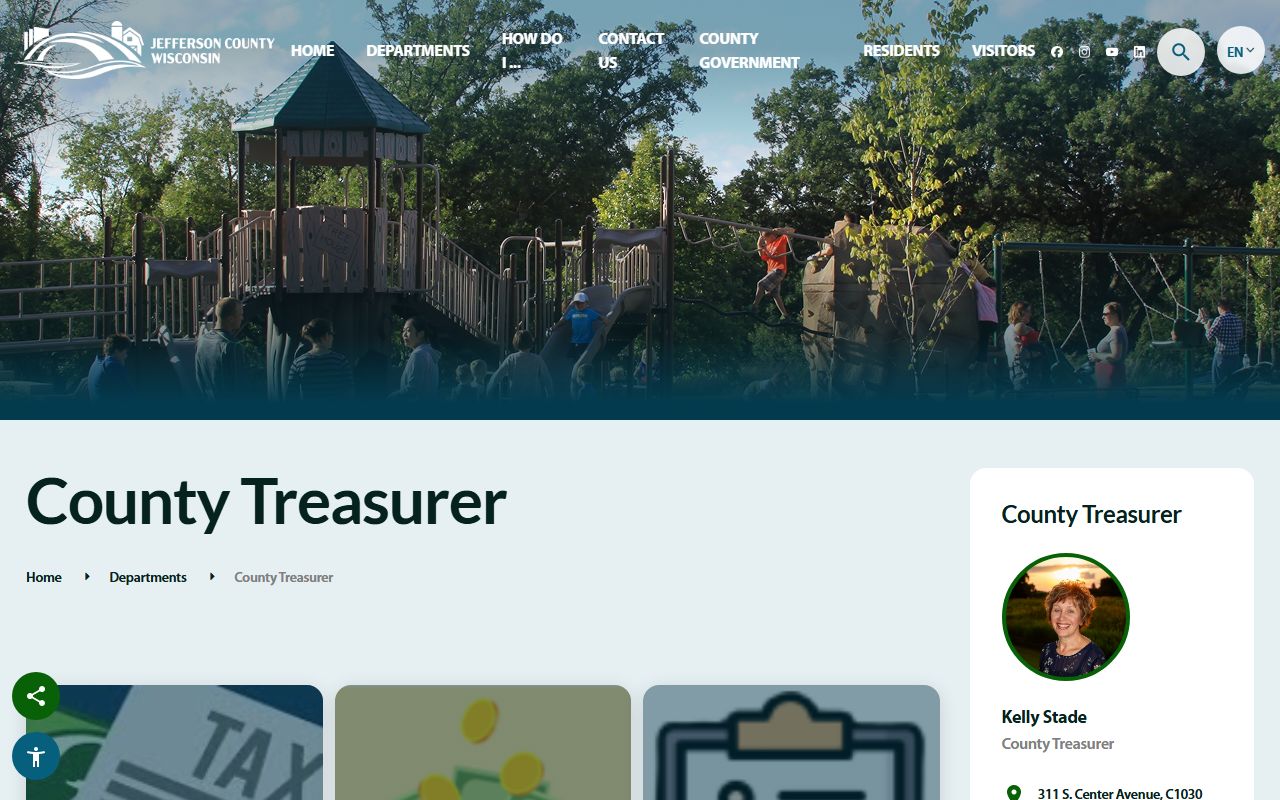
That local image fits the first county step because the treasurer is where the tax and money record comes together.
Jefferson County Register in Probate is the county office that handles probate and estate matters.
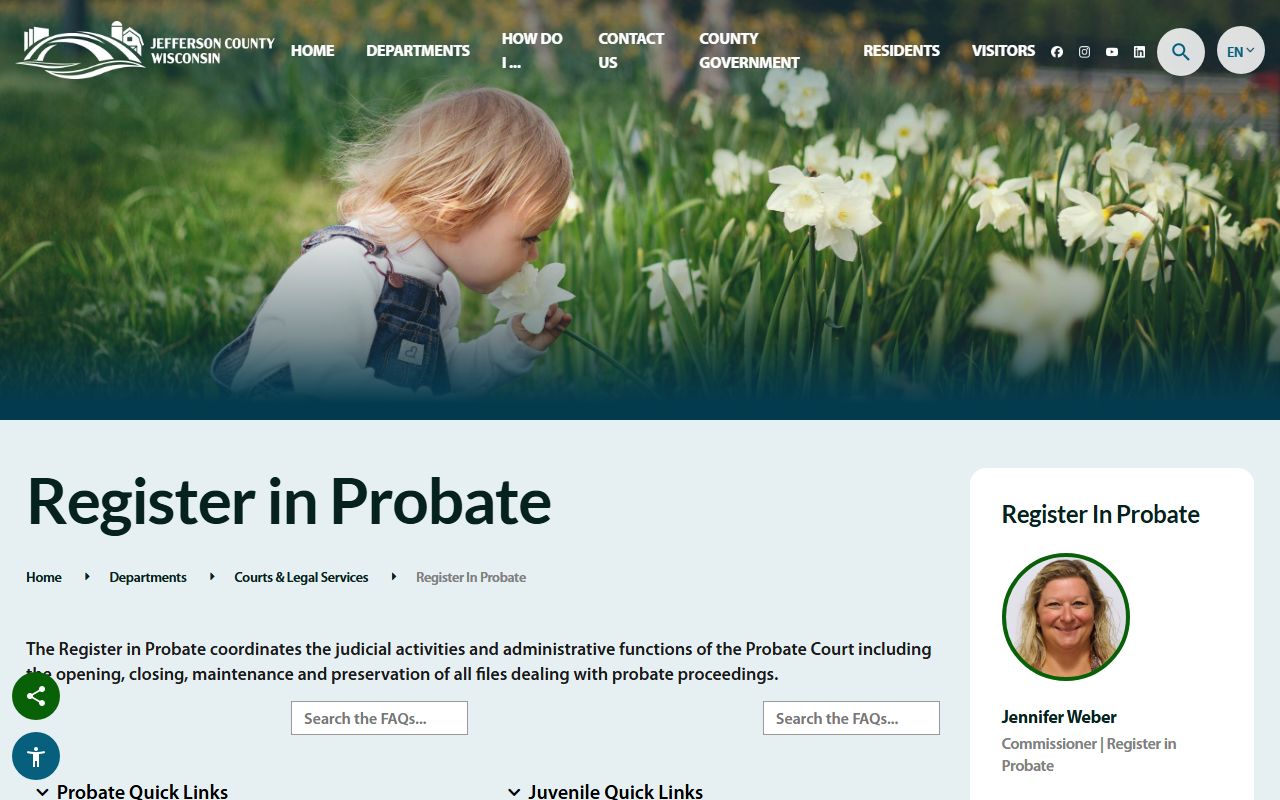
That image is useful when the balance belongs to an estate or another probate file instead of a tax account.
The Wisconsin Department of Revenue unclaimed property home page is the official statewide fallback when Jefferson County does not hold the money locally.
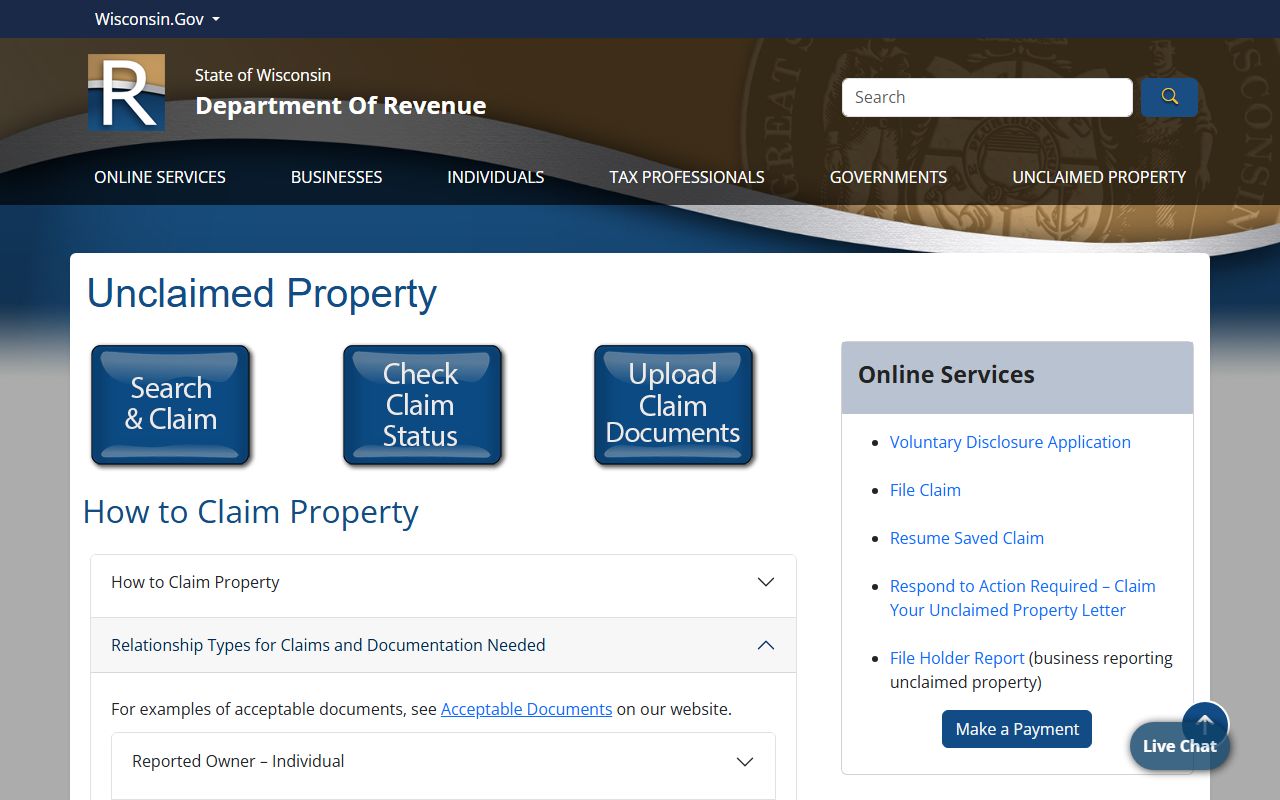
That state image is the honest fallback when the county confirms the record has moved outside local control.
Jefferson County Unclaimed Money and Court Records
Jefferson County Clerk of Courts is the office to use when the money is tied to a court file. The clerk maintains official circuit court records and handles record keeping, court support, jury management, financial duties, and public access. That makes the office the right place to check if a refund, fine, fee, judgment payment, or case balance is really a court matter rather than a tax issue.
The clerk's office is at 311 S. Center Ave., Room C1080, Jefferson, WI 53549. The general information phone number is 920-674-7150. Those details matter because court money often sits with the record that created it, not with the treasurer. If the case file is the source, the clerk can help confirm whether the county still holds the money and whether the claim should stay with the court record.
Jefferson County Unclaimed Money claims often become clearer once the court record is identified. A docket can explain a payment. A judgment can explain a balance. A hearing or filing can explain why money was moved through the court system in the first place. That is why the clerk is part of the county search even when the money began as something else.
If the clerk says the record is not a local court matter, the search can move to the state database. Until then, the county court file is the best guide.
Jefferson County Unclaimed Money and Probate
Jefferson County Register in Probate is the right county office when the money follows an estate or probate file. The office handles informal probate, and the county notes estate options above and below $50,000. Adult adoptions are handled by Probate Court, which shows the office is not just a form desk. It is the local place where probate matters are filed and tracked.
The Register in Probate office is at 311 S. Center Ave., Room C1110, Jefferson, WI 53549. The county page lists copy fees, search fees, and probate fees, which matters because those charges are part of the local record trail. If the estate file is open, the office can tell you what has been filed and what proof is needed to move the matter forward.
Probate records are important in a Jefferson County Unclaimed Money search because a balance may be tied to a decedent's estate rather than a tax bill. If the file involves a personal representative, an heir, or an informal probate case, the Register in Probate is the office that keeps the local record in view.
That office can also help separate a probate balance from a court fee or a tax payment. Once the file type is known, the rest of the search gets much simpler.
Jefferson County Tax Payment Trail
The tax trail is where many Jefferson County Unclaimed Money questions begin. The county treasurer page says first installment or full payments made before January 31 go to the local town, city, or village treasurer. That means the county is not always the first collector. It also explains why a resident may have to check a municipality before checking the county treasurer.
The Pay My Taxes portal is for second installment or delinquent real estate taxes only. It is not open during the winter break from December 1 through February 20. The parcel ID requirement matters because it forces the search to be tied to the exact tax record instead of a guess. If a payment was late, posted to the wrong parcel, or routed to the wrong installment, the portal and treasurer page together can show where the problem started.
Jefferson County also points residents to land records tax search, real estate tax rates, local treasurers, and DOR resources. Those links matter because they show the county expects residents to work from the parcel and tax record first. A missing balance is easier to trace when the right office and the right installment are clear.
The cleanest county process is to check the municipality, then the treasurer, then the court or probate office if the money is not tax-related. That order keeps the claim local as long as it should be local.
Wisconsin Unclaimed Money Search Help
The Wisconsin Department of Revenue is the statewide fallback when Jefferson County Unclaimed Money is not held by the county offices. DOR is the right place to search after the treasurer, clerk of courts, or Register in Probate says the record is not local. That keeps the claim honest and prevents paperwork from going to the wrong custodian.
The Wisconsin DOR unclaimed property FAQ explains the state custody role. How to claim property walks through the filing process. DOR says you can search by name or property ID, save a draft, and come back later, but the confirmation code only stays valid for 60 days. That makes it worth saving the code right away if you pause the claim.
Relationship types and documents needed and acceptable documents explain the proof the state expects from owners, heirs, and other claimants. Wis. Stat. 177.01, 177.0501, and 177.0903 explain the state structure behind the claim and the notice process. Those sections are useful once the county says the money is no longer local.
The state search is important, but it should come after the local review. Jefferson County gives you enough official county detail to decide whether the money is still local. DOR is the next step only after the county record ends.