
Search Fond du Lac County Unclaimed Money
Fond du Lac County Unclaimed Money searches usually start with the treasurer's office and the county unclaimed funds page, because that is where the county publishes the claim path and the payment details. The county says these funds are held for an owner who is entitled to the money but failed to claim it, often because the payment could not be delivered with the correct or complete address. The clerk of courts and probate offices can also help when the record comes from a case, an estate, or a protected family file. That gives residents a practical way to move from a county clue to the right office without guessing.
Fond du Lac County Unclaimed Money and Treasurer
The Fond du Lac County Treasurer page is the main local office for county-held money and tax work. The office is at 160 S Macy St, 1st Floor, PO Box 1515, Fond du Lac, WI 54936-1515, the phone number is 920-929-3010, the email is treasurer@fdlco.wi.gov, and the hours are 8:00 a.m. to 4:30 p.m. That is useful for Unclaimed Money because the treasurer is the office that handles the county's money side before a payment becomes a claim. If the record started as a tax issue, the treasurer office is the right first stop.
The treasurer page is shown at Fond du Lac County Treasurer, which is the county source for the money trail and the tax office contact. The treasurer page works with the county's unclaimed funds page, and together they show how the county handles money that remains unclaimed after the original payment process. That makes the treasurer office useful even when the claim itself has not yet been published. It is the office that can tell a resident where the county money belongs in the first place.
The county's unclaimed funds page gives the most direct claim instructions. The page says the Treasurer's Office holds the funds for an owner who is entitled to the money but failed to claim it, and it notes that a common reason is a payment delivery problem caused by an incorrect or incomplete address. That detail matters because it tells a claimant not to assume the money is lost. In many cases it simply never reached the right mailbox. The county page then lays out the claim steps under Wis. Stat. 59.66.
The unclaimed funds page is shown at Fond du Lac County Unclaimed Funds, which is the best local source for the affidavit, the publication information, and the mailing address. The page says claimants must complete a notarized Affidavit of Ownership and Indemnity Agreement, fill in the check number from the published notification, and include the name, address, and phone number. The notarized affidavit goes to the Fond du Lac County Treasurer at 160 South Macy Street, PO Box 1515, Fond du Lac, WI 54936-1515. A copy of a driver's license or other photo ID is required, and business claims need a business card. Checks are issued within about 30 days after the affidavit and identification are received, and they are made payable to the same person or entity as the original check.
That is the core Fond du Lac County Unclaimed Money process. It is not just a lookup. It is a published claim with an affidavit, proof of identity, and a county mailing address. If the claimant has the notice, the office can usually match the check number and move the claim forward quickly.
The county page is also useful because it ties the unclaimed funds process to the county treasurer instead of a generic state office. That gives Fond du Lac residents a local start, a local claim form, and a local address before they move on to the Wisconsin DOR search if the county no longer holds the money.
For residents who only remember a failed delivery or an old county check, the treasurer and unclaimed funds pages are the right pair to check first. They show where the money sits now and what proof the county needs to release it.
Fond du Lac County Court Records
The Clerk of Courts office is the next local source to check when Fond du Lac County Unclaimed Money comes from a court file. The county says the clerk is the keeper of records for court cases filed in the county, and the office answers questions about case status, forms, and procedures. That is important because court payments, fees, and other county money can start in a case file long before they appear as an unclaimed balance. If the clue is a ticket, a filing, or a court payment, the clerk office is the place to confirm the record.
The clerk page is shown at Fond du Lac County Clerk of Courts. Michelle Weber is the clerk in the research set, the office is at 160 S. Macy Street, 2nd Floor, Fond du Lac, WI 54935, and the phone number is 920-929-3038. That contact information matters when a resident wants to move beyond a general county directory and talk to the office that actually keeps the court case record. The clerk office is not just administrative support. It is the keeper of the case file that may explain the money.
For Fond du Lac County residents, this office can clarify whether the payment was a fine, a fee, or a court-ordered obligation. If the money ended up in the treasurer's custody later, the clerk can still show what the payment originally belonged to. That makes the clerk page a practical part of the unclaimed money search, especially when the claimant remembers a court date but not the exact office or amount.
The clerk page is also useful for case status and procedural questions. A resident who needs to know whether a matter is still open or whether a form is missing can start there before the payment becomes a claim. That keeps the search focused on the correct county record instead of a generic money question.
When the clue is court-related, the clerk office is the cleanest local record holder. It tells the claimant whether the money belongs with a court file, a treasurer claim, or a different county office altogether.
Fond du Lac County Probate Records
Probate is the other major local record path for Fond du Lac County Unclaimed Money. The county's probate office helps with formal and informal probates, special administrations, summary assignments, summary settlement, transfer by affidavit, guardianships, protective placements, protective services, adoptions, and mental health commitments. That matters because county money can belong to an estate, a guardian, or another person with legal authority rather than the original owner. If the claimant is an heir or representative, the probate record may be the key to the money trail.
The probate page is shown at Fond du Lac County Probate. The page gives residents the family and estate record context that can explain who should claim the money and whether the record is open or protected. That distinction matters because some probate matters can be handled through a public record path, while others involve confidential or restricted details. The probate office is the place that helps sort that out before a claim is filed.
For a county money search, probate is often the office that answers the authority question. If the original payee is deceased, or if the money belongs to an estate, the claimant may need to show legal standing. The probate office can point the resident to the right proceeding, whether that is a formal probate, an informal probate, or a summary process. That keeps the claim tied to the legal record instead of a vague family memory.
Probate also matters because it often overlaps with court records. A county resident may need both the clerk of courts and the probate office to sort out a claim that started in a family or estate matter. When that happens, the probate page gives the record trail that the treasurer page cannot provide on its own.
That makes probate a core part of the Fond du Lac County Unclaimed Money path. It is the office that tells the claimant who may lawfully step into the record and whether the estate or guardianship file supports the claim.
Fond du Lac County Unclaimed Money Images
For a statewide fallback, the Wisconsin DOR unclaimed property home page is the cleanest official backup when the county office does not hold the money.
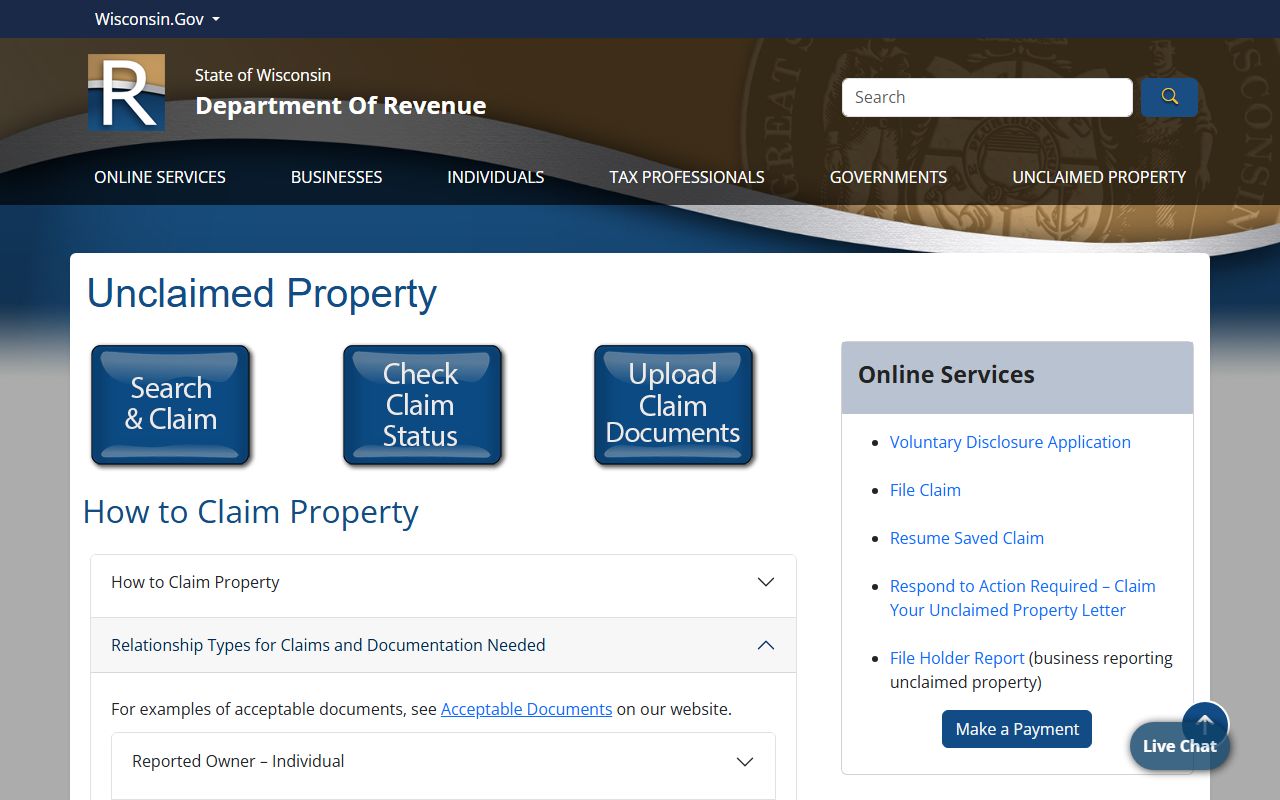
That page helps Fond du Lac residents keep the search moving if the county treasurer says the money has already left local custody.
The Wisconsin DOR how-to-claim page is the next official step when the state becomes the right holder.
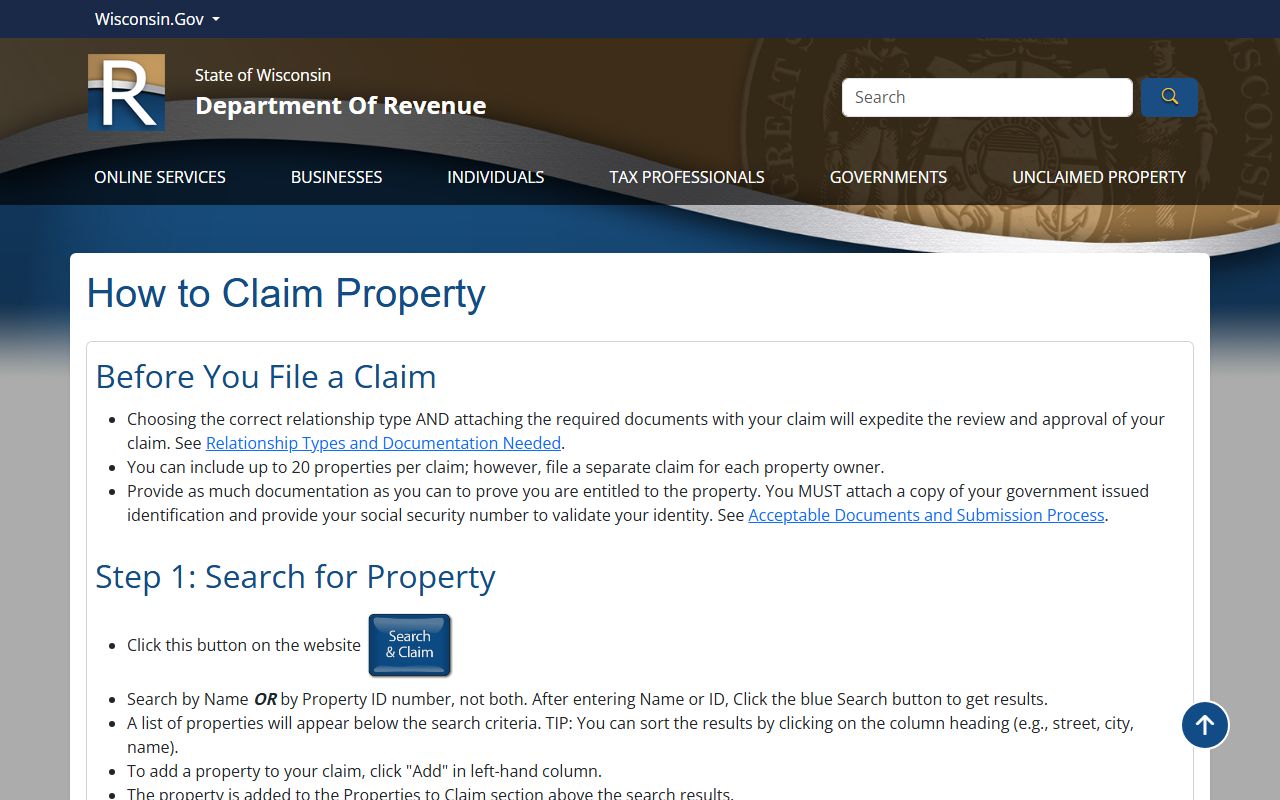
That page explains the state filing flow and keeps the claim tied to the right documents.
If the claimant needs more proof guidance, the DOR acceptable documents page is the practical follow-up.
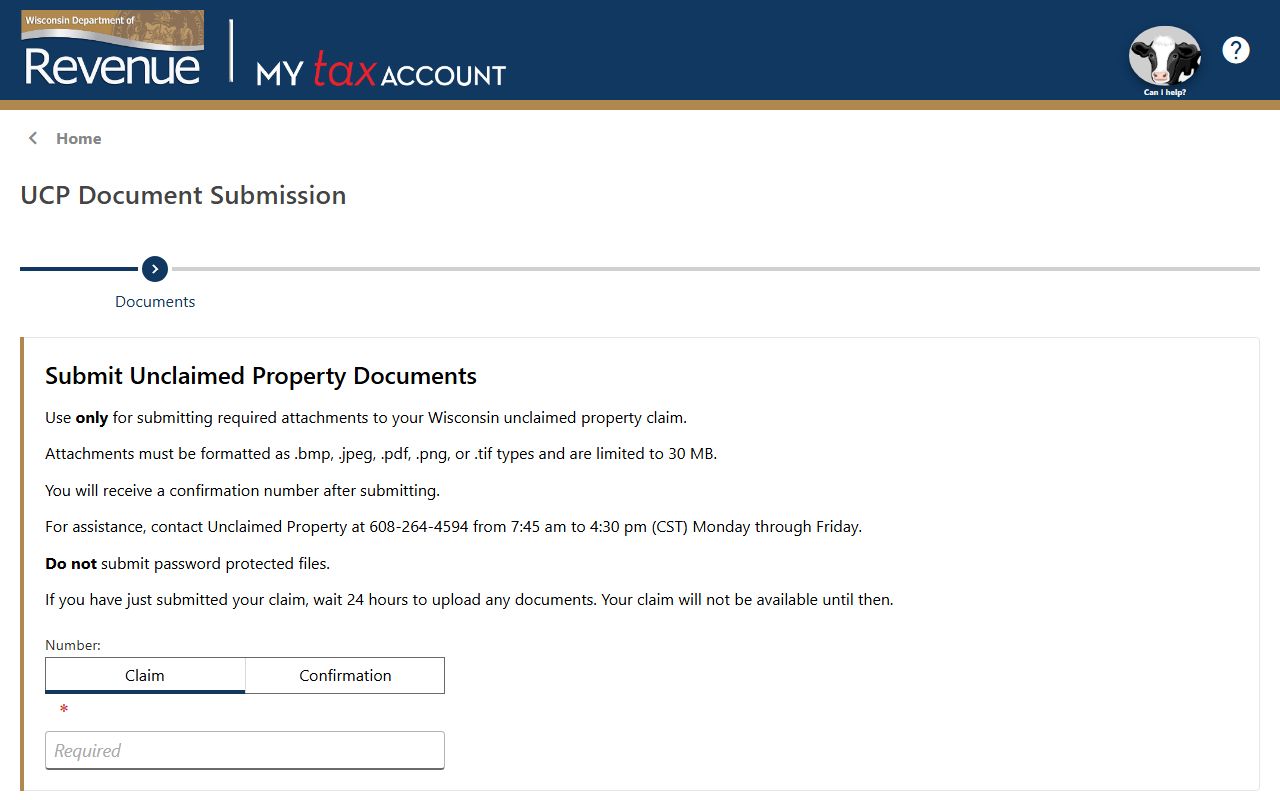
That page helps when the county notice is clear but the identity documents still need to be matched to the claim.
Wisconsin Unclaimed Money Rules for Fond du Lac County
The Wisconsin Department of Revenue is the statewide fallback when Fond du Lac County does not hold the money. The DOR FAQ explains that unclaimed property is generally a financial asset with no owner activity for at least one year, and it confirms that the state keeps the property available until the rightful owner or heir claims it. That makes DOR the right backup when the county treasurer, clerk of courts, or probate office does not hold the record you need.
The claim pages fill in the filing path. The DOR home page is the search entry point, the how-to-claim page explains the filing flow, the relationship types page explains who can claim, and the acceptable documents page explains what proof can travel with the file. The after-you-file page then explains what happens after submission and why more information may still be needed.
Wisconsin law gives the process its frame. Wis. Stat. § 177.01 defines the key terms used in the unclaimed property system, Wis. Stat. § 177.0501 covers the holder's notice duty before property is reported, and Wis. Stat. § 177.0903 explains how the owner files a claim. Those links matter because they show why the county and the state both ask for proof before money is released.
For Fond du Lac County residents, the search order is simple. Start with the treasurer and unclaimed funds page if the record is county money or a failed delivery. Use the clerk of courts if the money came from a case file. Use probate if the claim belongs to an estate or a protected record. Use DOR when the local offices no longer hold the money. That order keeps the search tied to the office that actually controls the record.
Note: Fond du Lac County searches work best when the office is matched to the record type first, then the DOR fallback is used only if the money is already outside local custody.