
Buffalo County Unclaimed Money Records
Buffalo County Unclaimed Money searches work best when the record is tied to the office that last held the money. In Buffalo County, that often means the county treasurer for tax and county-fund issues, the clerk of courts for case-related balances, or the probate office for estate and guardianship matters. The county's parcel and tax tools help too, because many local money questions start with a property record before they look like an unclaimed funds problem. This page keeps those paths separate so Buffalo County residents can search the right office first and move toward the correct claim without guesswork.
Buffalo County Unclaimed Money and Treasurer
The Buffalo County Treasurer and Real Property Lister is the strongest local starting point because the office receives money from county sources, disburses county funds, maintains investment accounts, reconciles county bank accounts, and collects postponed and delinquent property taxes. The treasurer also prepares tax settlements and coordinates the tax deed process when taxes become seriously delinquent. That range matters because a resident may begin by looking for a missing payment and only later discover that the issue is tied to the county tax roll or another county-controlled balance.
Research identifies Tina Anibas as County Treasurer, with deputy staff Andrea Huber and Kyrie McMahon. The county mailing address is PO Box 28, Alma, WI 54610, and the listed phone numbers are 608-685-6214, 608-685-6216, and 608-685-6215. Those office details matter because Buffalo County handles the second half of property tax payments by July 31 and collects postponed and delinquent taxes. When a balance looks local and government-held, the treasurer is usually the office that can confirm whether the money is still county-held or whether the record belongs somewhere else.
The treasurer page also helps explain why Buffalo County searches need to stay local first. The office receives payment records from municipalities, maintains tax-account detail, and keeps the real property listing current. That gives the county the clearest view of whether an amount belongs to a parcel, a county fund, or a different office. A direct county call is often faster than a broad search because the county office knows what kind of record created the money.
Buffalo County Unclaimed Money Images
The Buffalo County main site is the broad county entry point for department navigation, courthouse contacts, and local records context.
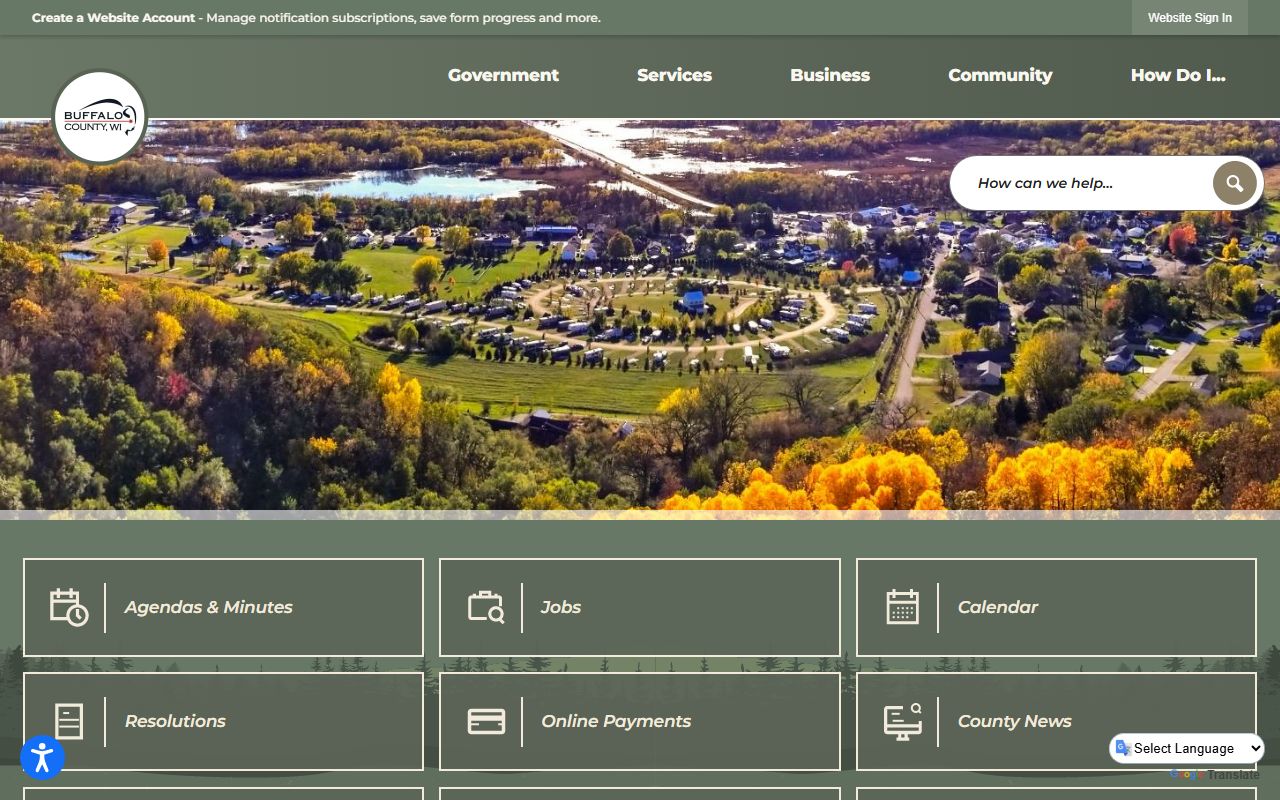
That county view helps residents move from a general county question into the treasurer, clerk, or probate office that actually controls the record.
The Buffalo County Treasurer and Real Property Lister page is the local source for tax collection, county funds, and property listing details.
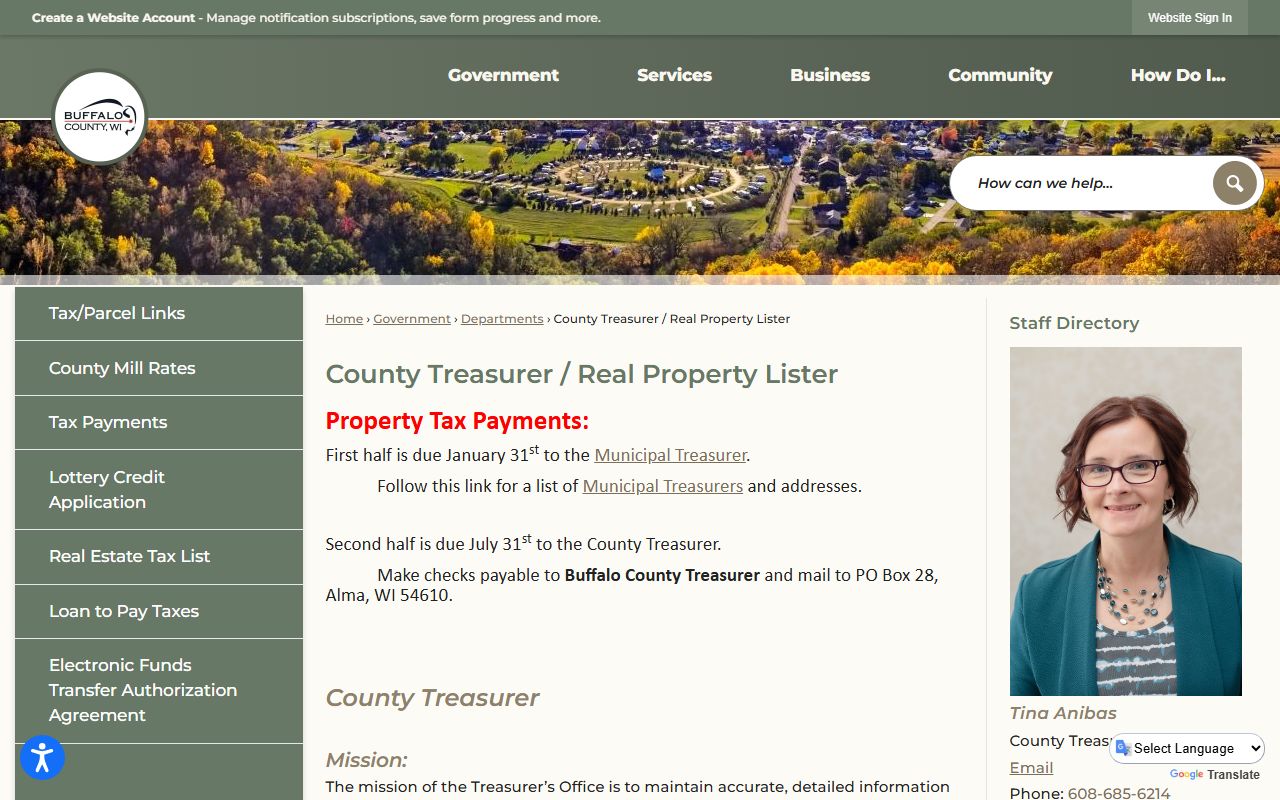
That page is the best local reference when a county-held balance may be tied to property taxes, a settlement record, or another county money trail.
The Buffalo County Clerk of Courts page is the county record source for court fees, fines, and other case-linked money questions.
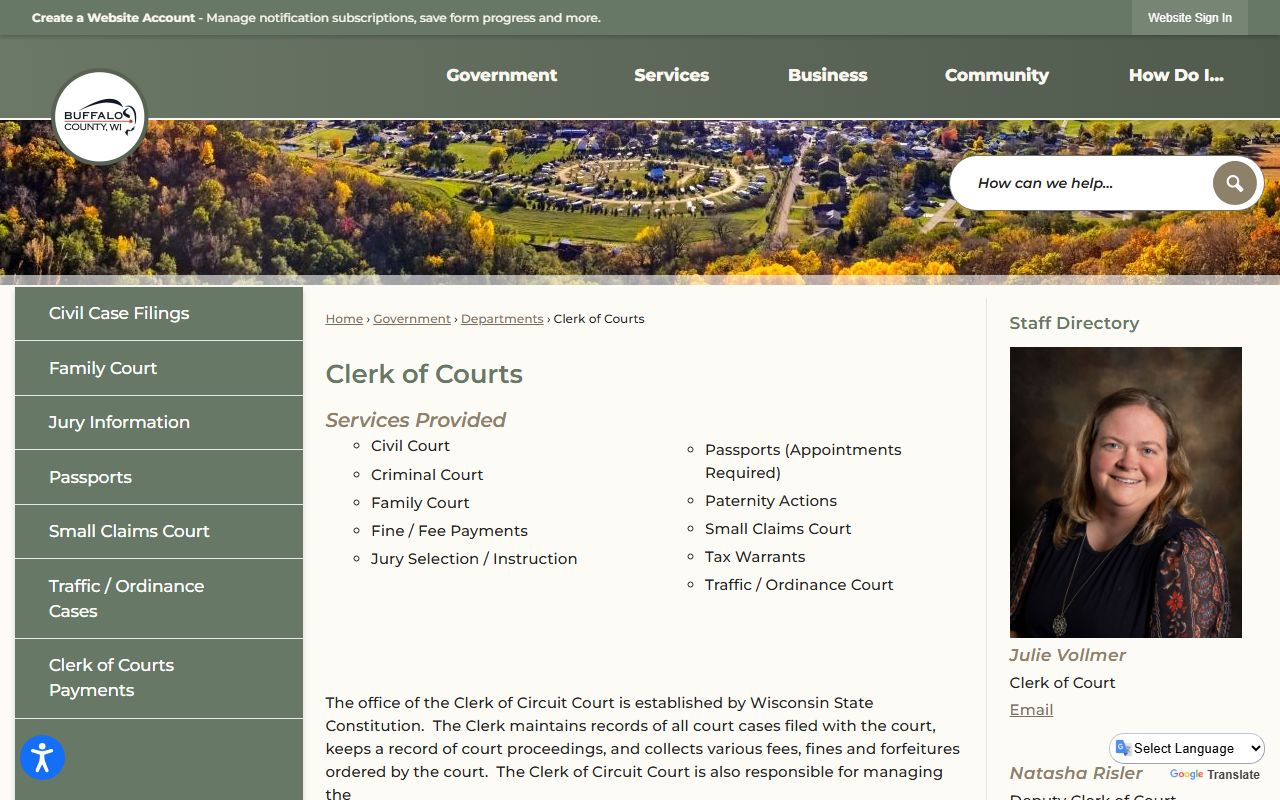
That court page matters when the county balance follows a case file instead of a tax account.
Buffalo County Clerk of Courts Records
The Buffalo County Clerk of Courts handles civil, criminal, family, traffic, small claims, tax warrants, and other court records, while also collecting fees, fines, and forfeitures ordered by the court. That makes the clerk essential when Buffalo County Unclaimed Money is tied to a case rather than to a tax payment. Court-held money follows the court file, not the property-tax file, and the clerk is the office that can explain which case or obligation created the balance.
The county also provides a separate Clerk of Courts payments page that explains check, cash, money order, online, and phone payment paths. That is useful because a claimant may first need to confirm whether a balance is still a live court obligation or whether it has become a county-held amount that can now be claimed. If a person only remembers paying a fine or receiving a court-related refund, the clerk payment system is the clearest way to identify the right record trail.
When the money may be linked to estates, guardianships, protective placements, adoptions, or mental commitments, the Register in Probate matters as well. The probate office maintains and updates files for those case types, which makes it the office to check when the claimant is an heir, guardian, or personal representative instead of the original owner. In Buffalo County, those offices are not interchangeable. The treasurer, clerk, and probate office each control a different path.
Buffalo County Unclaimed Money and Parcel Records
Local parcel and tax tools can be just as important as the office phone numbers. Buffalo County provides an online parcel viewer and tax-assessment portal for property tax and permit information, along with land-record access through the GIS and Land Information Office. That matters because many Buffalo County money questions begin with a parcel, a tax bill, or a mailing address before they look like an unclaimed funds issue. If the owner knows the property but not the exact office, the parcel tools can narrow the trail quickly.
The parcel portal also helps explain whether the money sits with a current or past owner, whether the mailing address is outdated, and whether the tax record still points to the county treasurer. That is useful in a county where tax settlements and property listings are kept closely tied to the treasurer's office. A clean local search often means checking the parcel record, then the treasurer, then the court or probate office if the amount does not fit the tax trail.
Buffalo County's land records guidance also warns that the data is intended as a general index and is not guaranteed to be error-free. That is a reminder to use the portal as a search tool, not as the final legal answer. The official office still controls the actual claim. The portal simply gives the resident a better starting point before asking the county to confirm the money.
Wisconsin Unclaimed Money Search Help
The Wisconsin Department of Revenue is the statewide fallback when Buffalo County Unclaimed Money is not held locally. The best official entry point is the DOR unclaimed property home page. If the money came from a bank, insurance company, utility, or another private holder, the state system may be the correct place to search even after the county offices have been checked.
For the filing process, how to claim property, relationship types and documents needed, and acceptable documents explain what proof the state expects. The Wisconsin DOR FAQ is especially useful here because it explains that municipal and court funds are generally held by the county treasurer on behalf of those local offices rather than being sent directly to DOR. That means Buffalo County residents should still start local when the money looks local.
The safest sequence is county first and state second. Start with the treasurer for county-held funds and tax records, the clerk for case-linked balances, and probate when estate authority matters. Move to DOR only after the local offices show that the holder is statewide. That sequence keeps the claim tied to the office that actually controls the money and reduces the chance of filing with the wrong custodian.