
Sheboygan Unclaimed Money Records
Sheboygan Unclaimed Money searches usually start in the city office that handled the payment, then move to Sheboygan County when the city record says the money belongs there. That is the local pattern for residents who are trying to match a tax payment, a municipal balance, or a court charge to the office that still has the paper trail. The city finance office handles a lot of the everyday money work, but not every balance stays there. If the question is about a city payment that later went missing, the best first step is to identify which office handled the money before it moved anywhere else.
Sheboygan Unclaimed Money and the Finance Department
The City of Sheboygan Finance Department is the main city office for a lot of money-related questions. It oversees collection, disbursement, and accounting of all monies under GAAP, manages investment of cash balances, develops and administers operating and capital improvement budgets, oversees centralized purchasing and business licensing, and handles parking ticket administration, delinquent personal property taxes, special assessment payments, housing rehabilitation loan payments, and business development loan payments. The office is located at 828 Center Avenue, Suite 110, and the hours are Monday through Thursday from 7:00 AM to 4:30 PM and Friday from 7:00 AM to 11:00 AM, with afternoon service by appointment only.
The finance office is a real city entry point, but it is not the county's unclaimed funds custodian. That difference matters because residents sometimes start with a city question and end with a county claim. The city office can explain whether a payment was received, how a balance was posted, or whether a city-side item still needs to be resolved. If a check was lost or never cashed, that office history is the first clue in deciding whether the matter stays at the city level or needs county follow-up.
The City of Sheboygan Finance Department page is shown at the city finance page, which is the best city-side starting point for money records.
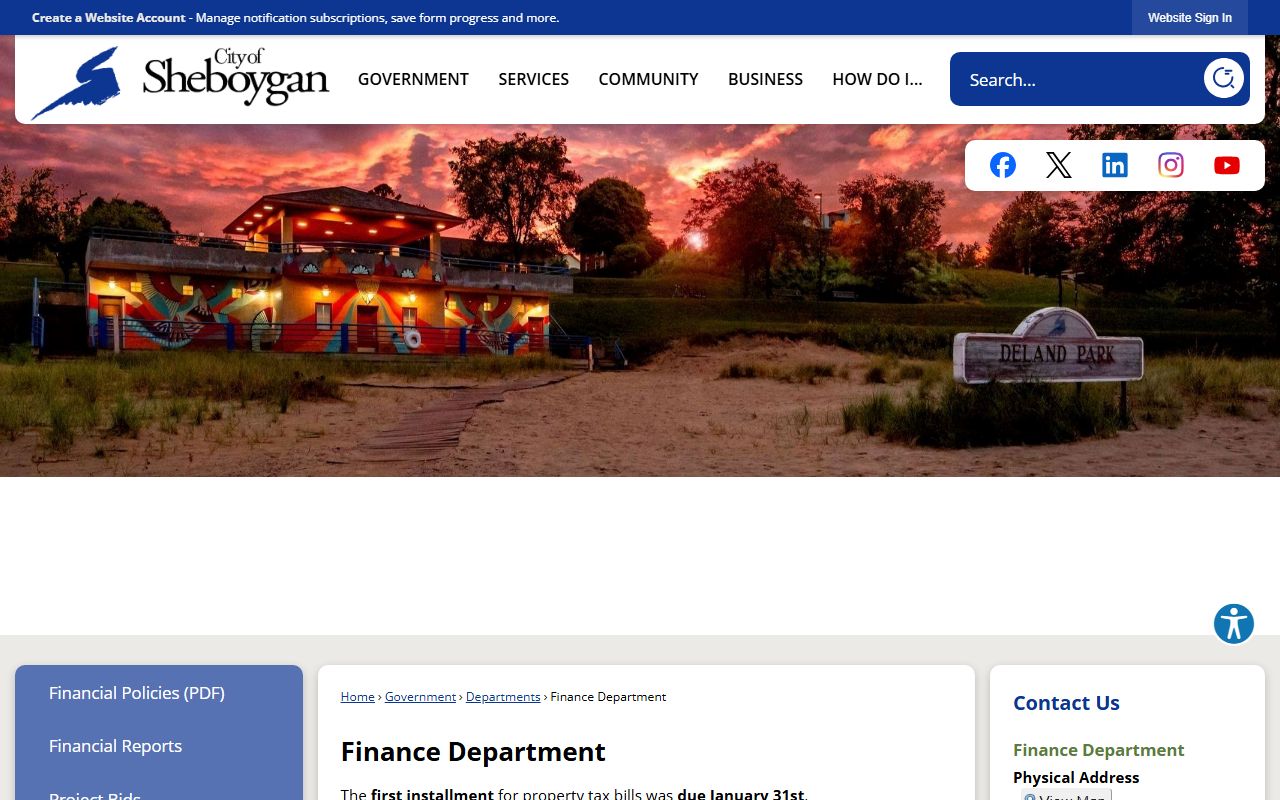
That page helps residents sort out city payments before they become a county or state search.
Sheboygan residents often need that distinction because a finance question can involve more than one department. The city finance office touches budgeting, licensing, and payment processing, so it is often the first place a resident will find a record trail. If the money was tied to a city invoice, a parking ticket, or a personal property tax account, the finance department can show where the money was supposed to go before the search leaves City Hall.
The finance page is also useful because it gives a direct line to the people who know the city's payment system. That matters when you need to tell the difference between a city balance that is still active and a balance that has already moved somewhere else. Many Sheboygan Unclaimed Money questions begin as simple account questions and only later turn into a claim search. The finance page is what makes that first split clearer.
How Sheboygan Unclaimed Money Claims Move
Once the city side is checked, Sheboygan residents often move to Sheboygan County because the county treasurer takes over after January 31 for real estate tax payments. The real estate tax payment information page says that after January 31 all real estate tax payments must be made to the Sheboygan County Treasurer's Office at 508 New York Avenue, Sheboygan, WI 53081. That same page says residents can verify tax payments through the Sheboygan County Land Records Web Portal and should allow two to three business days for the payment to show online.
The county treasurer piece matters because the county office is where the tax trail becomes official after the city collection period ends. The city page also says previous year delinquent payments should go to the county treasurer and that name changes on real estate tax bills should be directed to the county office at 920-459-3015. That means city residents need to think about the county treasurer as the next place to look when a payment or refund no longer fits the city record. It is also why the county treasurer and real property listing page is so important for local property questions.
The Sheboygan County Treasurer and Real Property Listing page helps explain why the county owns so much of the post-January 31 trail. The county collects second installment and delinquent payments for all 28 municipalities, pays out tax monies, pays moneys to the state for taxes collected, and tracks and reports unclaimed funds. That is the bridge between a city-side balance and a county-side claim. If the city record says the money is no longer at the city desk, the county is the place that keeps the record moving.
The county step is not just about property taxes. It also matters when a city payment was returned, misapplied, or left uncashed and then moved into the county system. Because Sheboygan County keeps the ownership and mailing details for parcels, it can connect a tax bill or a refund to the right account. That is why city residents should not treat the county treasurer as a separate problem. The county is the office that often completes the trail.
The county treasurer office can be reached at 920-459-3015, and the tax transfer page gives residents a way to verify where the payment landed. That makes the county page useful even when the original issue started in the city. A good Sheboygan Unclaimed Money search uses the city office to identify the payment, then the county office to see whether the county has it, and only then the state if no local record matches.
The county route is the practical answer for city residents who are not sure whether they need a refund, a replacement check, or a different office entirely. It keeps the search local long enough to avoid sending the wrong request to the state.
Sheboygan Real Estate Tax and Court Records
The city real estate tax page gives another clean example of how the local trail moves. The real estate tax payment information page says the first installment for property tax bills is due January 31 and that residents can verify tax payments through the county land records portal. It also notes that online records take two to three business days to show, which is the kind of timing detail that matters when someone is trying to confirm whether a payment posted or is still in the queue.
The city real estate tax page is shown at the city tax page, which explains when the tax trail leaves the city and goes to the county.
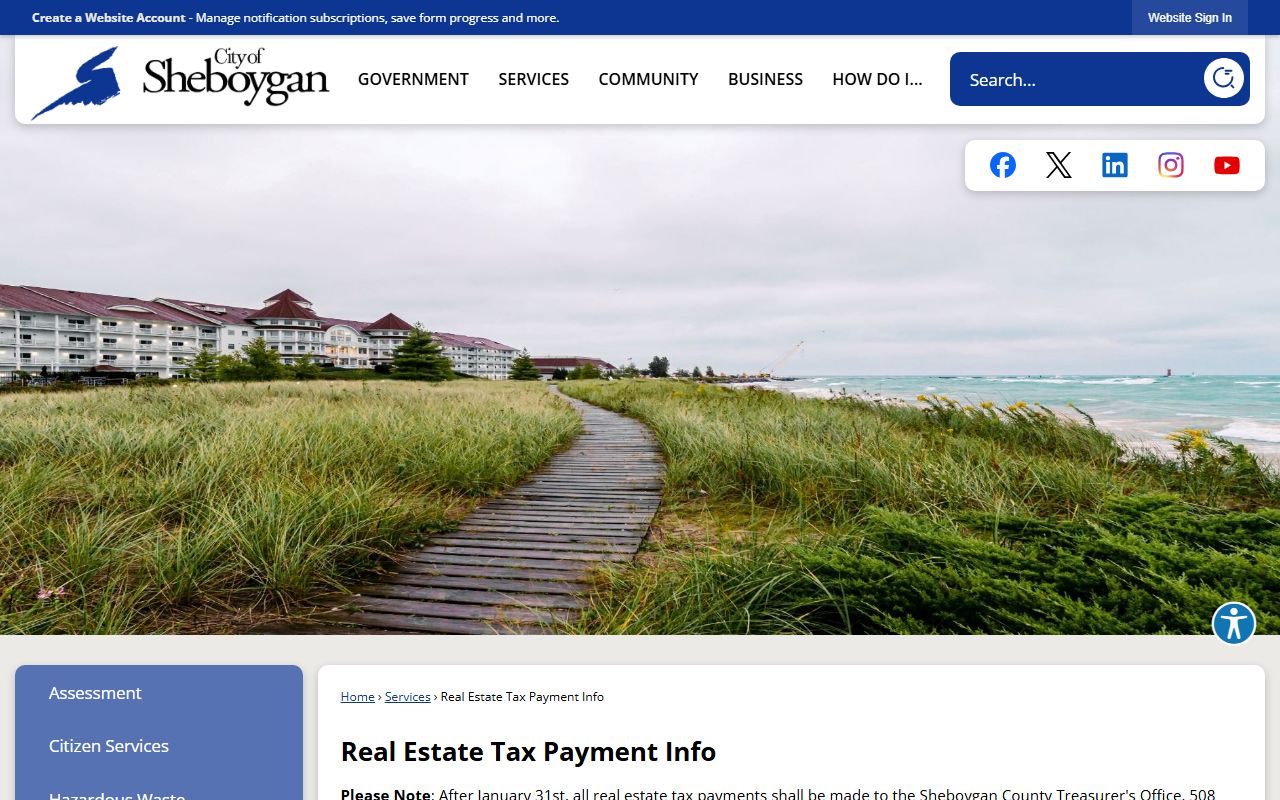
That page is the city-side record that points residents to the county treasurer once January 31 passes.
For court-related money, the city payment information page and online payments page are the right pair to check. The payment information page explains how municipal court payments are handled in person, by mail, through the drop box, and through the online portal, and the online payments page gives the digital path for those same balances. That matters because city court balances can affect whether a payment looks current or overdue, and overdue balances can trigger additional collection steps or return a resident to the county or state record trail.
The city payment information page is shown at the municipal court payment page, which is the city-side route for court balances and payment plans.
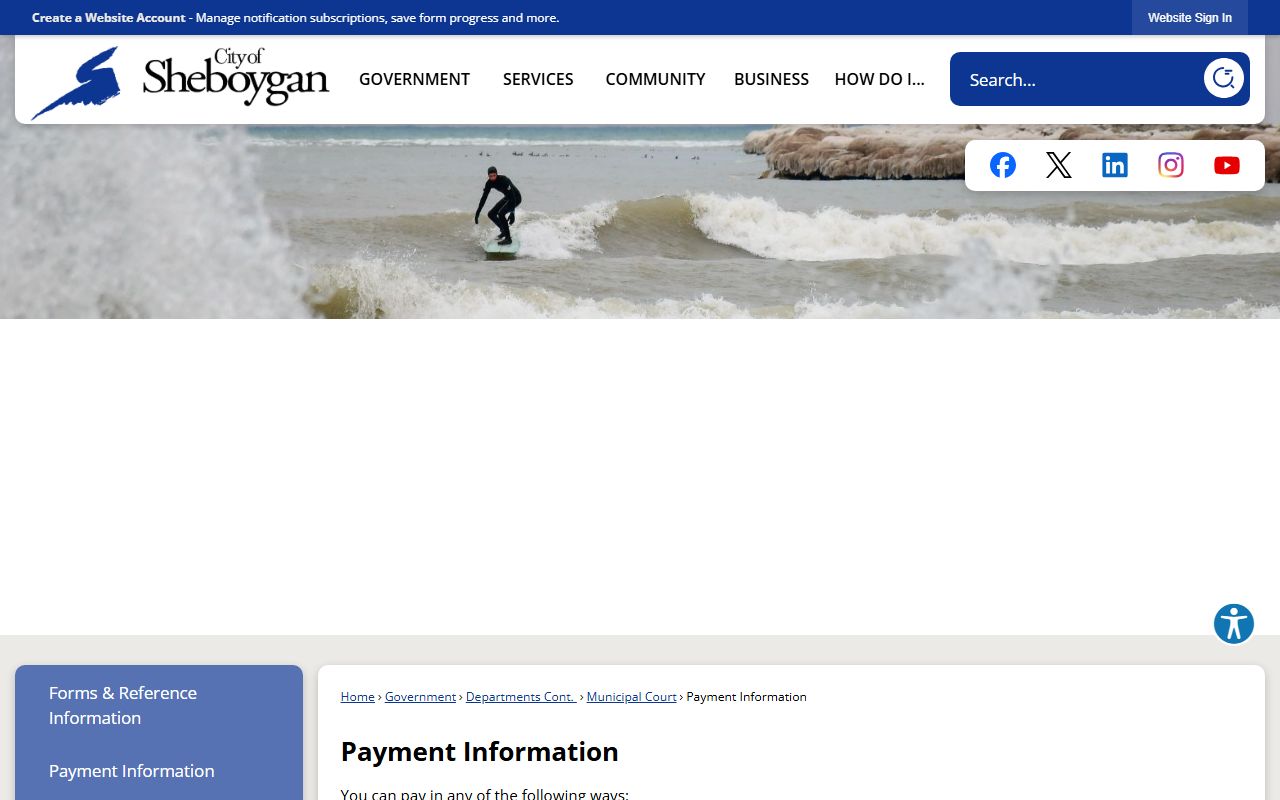
That page is the place to check before a court balance gets pushed farther down the county or state trail.
The municipal court page also helps residents understand where a city-side balance lives before it becomes a bigger problem. Payments can be made at the court office, by mail, or through the drop box in the vestibule. Partial payments receive credit, but the judgment stays in effect until the balance is paid in full. If a city resident needs to confirm that a payment was received or whether a balance was left open, these city pages are the best place to begin.
That same city record trail can explain why some Sheboygan Unclaimed Money searches start with a city office and end with the county or state. A tax bill that moved after January 31, a court balance that was not fully paid, or a city payment that was never cashed can all create a later question about where the money went. The city pages are what let you narrow that down before you start a county or state claim.
The city finance, tax, and court pages work together in a way that makes a lot of sense for residents. One office handles the accounting. Another shows when the tax record moves to the county. A third handles municipal court payments and refunds. That is the local map a Sheboygan resident needs before a claim turns into paperwork.
Note: City payment questions often turn into county questions after January 31, so the city pages are the place to confirm the trail before you claim anything.
The county treasurer and the city court office are separate for a reason, and the city pages make that split visible. That keeps residents from sending a tax question to the wrong desk or treating a court balance as if it were a county-held fund.
The county real property and tax pages also help when the city record is incomplete. If the city file does not fully explain the balance, the county record often fills the gap. That is especially true for taxes and court payments that have a city starting point but a county ending point.
The best Sheboygan searches keep those office boundaries in mind. City finance handles city money, county treasurer handles county tax and unclaimed-funds work, and the court pages explain municipal payment rules. Once those pieces line up, the search becomes much easier to finish.
Wisconsin Unclaimed Money Rules for Sheboygan
When city and county records still do not answer the question, the Wisconsin Department of Revenue provides the statewide route. The DOR Unclaimed Property home page is the search entry point, and the how-to-claim page explains how to search by name or property ID, choose the property to add, and upload the right documents. That is the path for property that is in the state system rather than the city or county system.
The DOR relationship types page and acceptable documents page show how DOR expects a claimant to prove the connection to the money. The state wants the claim tied to the right owner or legal representative, so a current ID, proof of address, and supporting documents matter. That is true whether the money came from a business account, a refund, or a tax-related hold that has already left the local office.
The statutes give the state process its framework. Wis. Stat. § 177.01 defines the terms used in the unclaimed property system, Wis. Stat. § 177.0501 covers the holder's notice before reporting property, and Wis. Stat. § 177.0903 explains how a claimant files the claim form prescribed by DOR. Those rules are why the county and the state ask for different paperwork even when the property belongs to the same person.
After the claim is filed, the DOR after-you-file page explains what happens next. DOR usually needs a review period, and it may ask for more proof if the file is incomplete. That is normal and is part of the reason the state asks claimants to keep their address and documents current. If the county says the money is not local, this is the route that finishes the search.
For Sheboygan residents, the practical rule stays the same from start to finish. Use the city office first if the money began there, move to Sheboygan County when the tax or payment trail points that way, and then go to DOR only if the local offices do not hold the funds. That keeps the search tied to the office that actually controls the money.